
Quick Answer
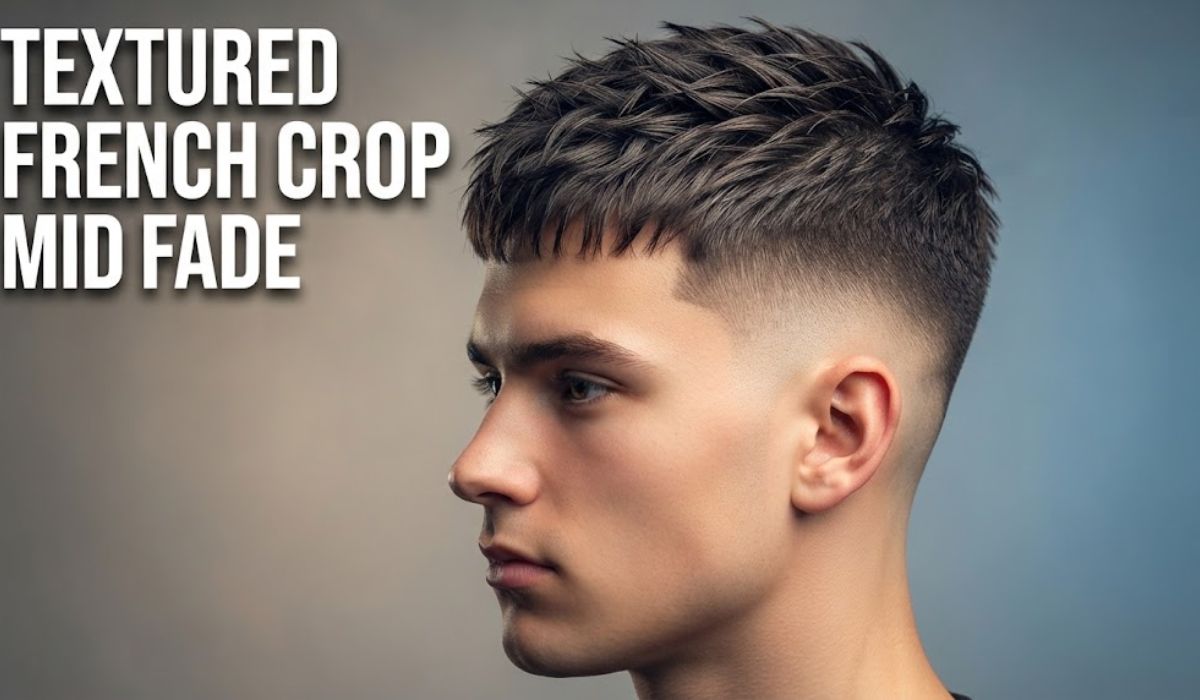
A textured French crop mid fade combines a short textured top and forward fringe with a fade that sits around the middle of the sides. The top creates separation and movement, while the mid fade gives the sides and back a clean transition. The exact top length should be adjusted to your hair texture, density, fringe preference, and desired finish.
If you are asking a barber for this style, describe all three parts clearly: a textured French crop on top, a forward fringe, and a mid fade on the sides and back. Bringing a reference photo can make the desired result much easier to communicate.
TL;DR
- A textured French crop mid fade has three defining parts: a textured top, a forward fringe, and a mid positioned fade.
- There is no single correct top length. Hair texture, density, fringe preference, and styling goals should influence the length.
- The mid fade sits higher than a low fade and lower than a high fade, creating a balanced transition on the sides.
- Straight, wavy, curly, thick, and fine hair can all be adapted to the style, although the cutting and styling approach changes with the hair.
- A good barber request should mention the top, texture, fringe, and fade position instead of simply naming the haircut.
What Is a Textured French Crop Mid Fade?
A textured French crop mid fade is a short men’s haircut built from three separate elements. The French crop provides the short top and forward fringe, the word textured describes the separated and less uniform finish of the top, and the mid fade describes where the fade begins on the sides.
The French crop is primarily identified by its forward fringe. Instead of sweeping the front backward or creating a tall quiff, the fringe is directed toward the forehead. The top can remain relatively short while still having enough length for visible texture.
The textured finish gives the top more separation. Rather than looking like one solid block of hair, individual sections can appear more defined. A barber can create this effect through the way the top is cut, while styling products can emphasize the separation afterward.
The mid fade concerns the sides and back rather than the top. A mid fade generally begins around the middle area of the sides, near the temple region, creating a position between a low fade and a high fade.
The textured top
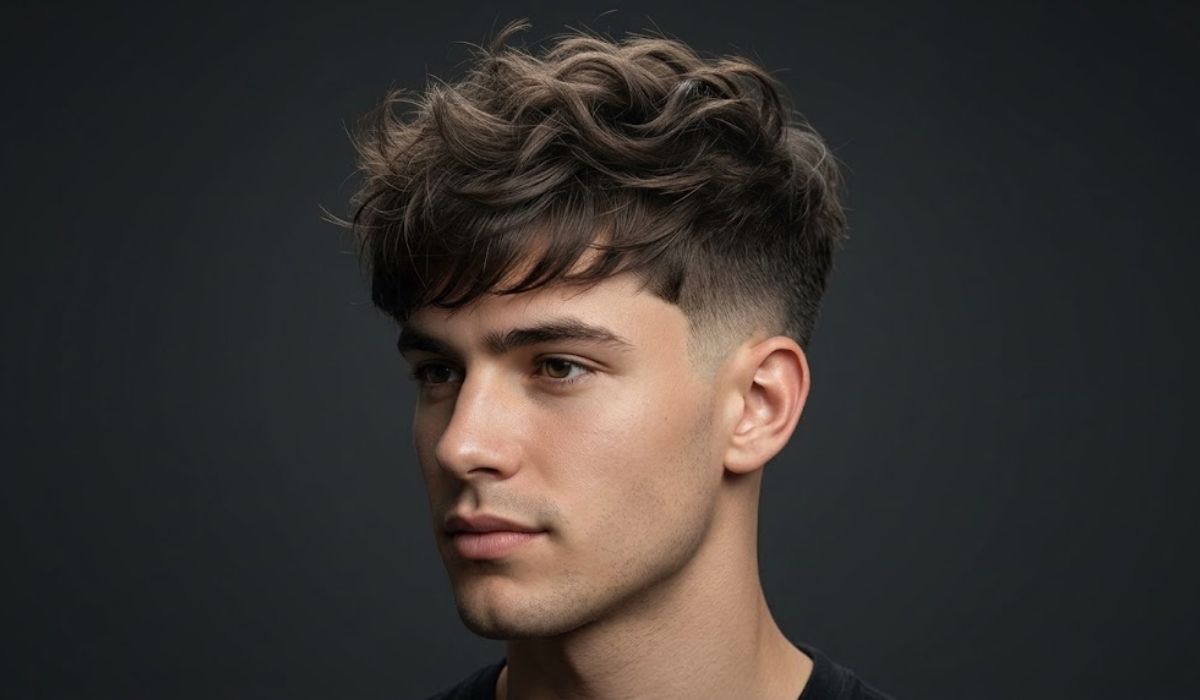
The top should have enough length and structure to show separation. Texture does not necessarily mean extremely messy hair. A textured French crop can look neat, controlled, choppy, natural, or deliberately messy depending on the cut and styling.
The forward fringe
The fringe is directed forward and forms an important part of the French crop silhouette. The fringe can be relatively straight, softly separated, or visibly choppy. Its shape should work with the natural direction and texture of the hair.
The mid fade
The fade gradually reduces the hair length on the sides and back, with the transition positioned around the middle of the head. The result creates more contrast than a low fade while avoiding the higher starting position associated with a high fade.
What Does This Haircut Look Like?
The easiest way to understand the style is to separate what you see on top from what happens around the sides.
| Part of haircut | What to look for |
|---|---|
| Top | Short hair with visible separation and texture |
| Fringe | Hair directed forward toward the forehead |
| Sides | A gradual fade positioned around the middle |
| Back | A clean transition that follows the fade design |
| Overall finish | Short, structured, textured, and relatively easy to shape |
One reason reference photos are particularly useful for this haircut is that two people can ask for a textured French crop mid fade and receive noticeably different results. Top length, fringe shape, hair density, texture, and fade height all influence the finished appearance.
How to Ask Your Barber for a Textured French Crop Mid Fade
Do not rely only on the haircut name. A clearer barber request describes the individual components of the style.
A useful request is: “I want a textured French crop with a mid fade. Keep enough length on top for visible texture, bring the fringe forward, and keep the fade around the middle of the sides rather than taking it too high.”
You can then show a reference photo and ask the barber to adjust the top according to your hair texture and density.
What to specify about the top
Tell the barber whether you want the top very short, moderately short, or long enough for stronger texture. If you want a noticeably piecey appearance, say that you want separation rather than a completely uniform top.
What to specify about the fringe
Decide whether you prefer a softer fringe or a more visibly choppy edge. A reference photo is useful because terms such as “textured” can mean different things to different people.
What to specify about the fade
Say that you want a mid fade if you want the transition positioned around the middle of the sides. If you specifically want the skin exposed at the shortest point, say that you want a mid skin fade instead. Those descriptions can produce different finishes.
How Long Should the Top Be?
There is no universal top length for a textured French crop mid fade. Current haircut sources give different measurements, which is a good reason not to treat one number as a fixed rule.
The right length depends on how much texture you want, how thick the hair is, how the hair naturally moves, and how much fringe you want over the forehead.
| Top approach | Visual result | Useful for |
|---|---|---|
| Very short | Compact and controlled texture | People who prefer a sharper short haircut |
| Medium short | More visible separation and fringe movement | A balanced textured crop appearance |
| Longer textured top | More styling freedom and stronger texture | People who want a more noticeable textured finish |
Instead of asking for a precise measurement without context, show your barber the desired result and explain how much texture and fringe you want. The barber can then account for shrinkage, density, curl pattern, and the natural direction of the hair.
Is It Suitable for Your Hair Type?
The style can be adapted to several hair types, but the same cutting approach should not be applied identically to every head of hair.
Straight hair
Straight hair can make the shape of the French crop very clear. Deliberate texturizing can help prevent the top from looking too flat or uniform, especially when the hair is dense.
Wavy hair
Wavy hair can add natural movement to the textured top. The haircut can work with that movement instead of trying to remove all of it. The fringe should be shaped according to how the wave naturally falls.
Curly hair
Curly hair can create strong natural separation. The main consideration is allowing enough room for the curls to form their actual shape. A fringe that looks longer when wet can appear considerably shorter after the hair dries and curls.
Thick hair
Thick hair can produce a strong textured crop, but excess bulk may need to be removed strategically. The goal is controlled texture rather than simply making every part of the top extremely short.
Fine hair
Fine hair can benefit from a lighter styling approach. Heavy products can make the top look flat or weighed down, so a product that preserves separation without excessive weight can be more appropriate.
Which Face Shapes Can Wear It?
A textured French crop mid fade can be adapted to different face shapes, but saying that one version works identically for everyone oversimplifies the haircut.
The most useful variables are the fringe length, top volume, texture, and fade height. Those elements can be adjusted to change the balance of the finished haircut.
- Longer or softer fringe: can create a different visual balance from a very short fringe.
- More texture on top: can add visual movement without requiring a tall hairstyle.
- Higher fade: creates a stronger contrast between the top and sides.
- Lower fade: keeps more visual weight around the sides.
Rather than choosing the haircut solely from a generic face shape chart, use a reference image that resembles your hair density and natural texture. Your barber can then adjust the proportions.
Mid Fade vs Low Fade vs High Fade
The main difference is the position where the fade begins. That position changes the amount of visible hair on the sides and the contrast between the sides and the top.
| Fade type | General position | Visual character |
|---|---|---|
| Low fade | Lower on the sides, closer to the ears | More subtle transition |
| Mid fade | Around the middle and temple area | Balanced contrast |
| High fade | Higher on the sides | Stronger contrast and less side weight |
For the textured French crop, the mid fade creates a useful middle position. It gives the short textured top clear separation without moving the fade as high as a high fade.
Mid fade vs mid skin fade
A standard mid fade and a mid skin fade should not automatically be treated as identical terms. A skin fade reduces the shortest section down to the skin, while a standard fade can retain some very short hair at its shortest point.
How to Style a Textured French Crop Mid Fade
The styling routine can be simple because the haircut already provides much of the structure. The goal is to enhance the texture rather than cover the top with excessive product.
- Start with damp or towel dried hair. Remove excess water without completely drying the hair.
- Apply a small amount of styling product. A matte paste or matte clay can help create separation without adding a glossy finish.
- Work the product through the top. Use your fingers to distribute it instead of flattening everything into one direction.
- Direct the fringe forward. Keep the front consistent with the French crop shape.
- Separate individual sections. Pinch or twist small areas with your fingers if you want a more defined textured finish.
- Finish with air drying or controlled blow drying. Stop when the top has the shape and texture you want.
For a neat finish
Use less product and keep the individual sections relatively controlled. The fringe can remain forward while the top has a clean, deliberate texture.
For a messier finish
Use your fingers to create more separation and irregular movement. The goal is controlled messiness rather than simply making the hair untidy.
For fine hair
Start with a small amount of lightweight product. Adding more product does not automatically create more volume or texture and can make fine hair appear flatter.
For thick hair
Work product into smaller sections and concentrate on separation rather than coating the entire top. The haircut itself should handle much of the bulk control.
Popular Textured French Crop Mid Fade Variations
Short textured French crop
The top and fringe remain particularly compact, producing a clean shape with limited styling freedom. This version can be useful if you want texture without a longer top.
Messy textured French crop
The top has more visible separation and irregular movement. The fade remains clean while the texture becomes the main visual feature.
Textured French crop with a mid skin fade
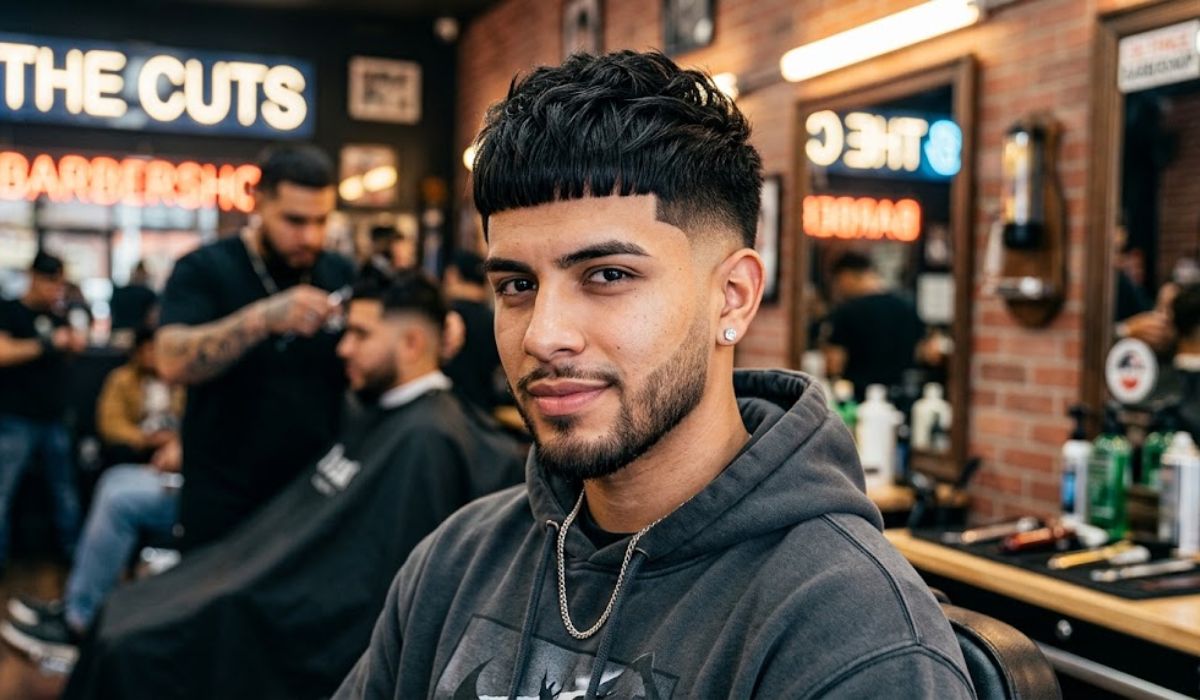
This variation combines the textured crop with a mid fade that reaches skin at its shortest point. The result creates more visible contrast between the top and sides.
French crop with a beard
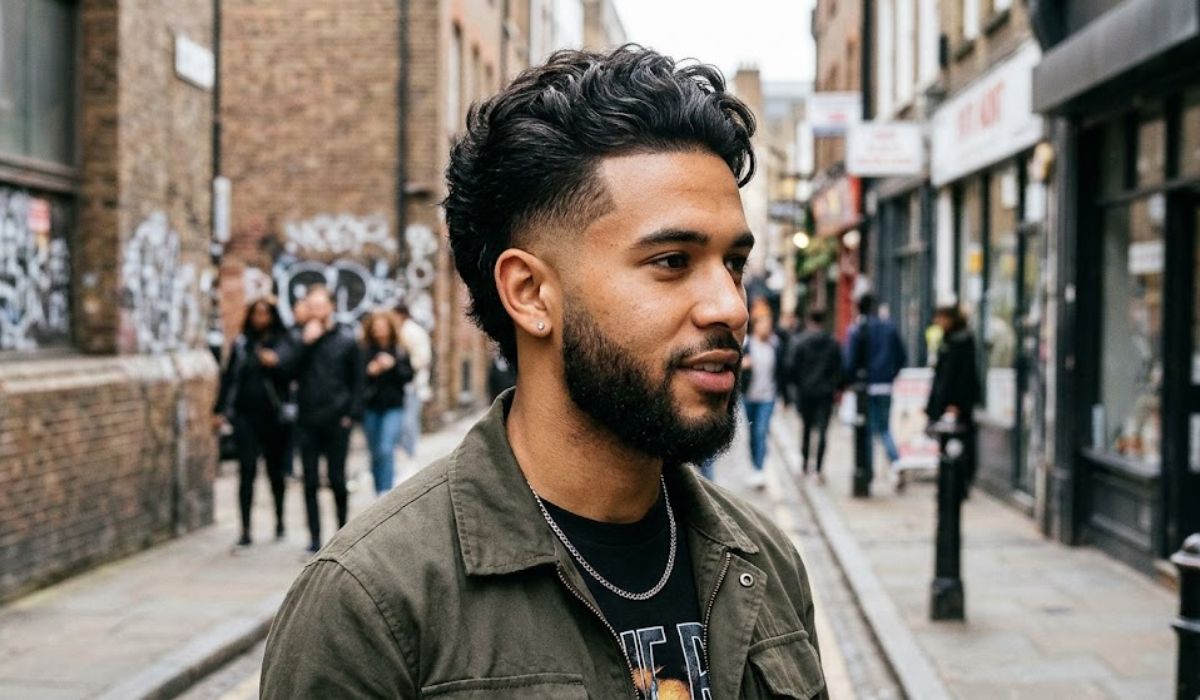
A beard can be paired with the haircut when the overall proportions work together. The beard does not change the definition of the French crop, but it can change the balance of the overall appearance.
Natural texture version
Wavy or curly hair can provide much of the texture naturally. Instead of forcing the top into a straight shape, the cut can preserve the movement already present in the hair.
How Often Should You Maintain It?
There is no single maintenance schedule that fits everyone. The fade usually looks sharper when maintained regularly, but the ideal interval depends on how quickly your hair grows and how crisp you want the sides to remain.
Current haircut sources commonly place fade maintenance around a few weeks, with recommendations varying from roughly two to four weeks or somewhat longer. Treat those figures as practical guidance rather than a fixed rule.
If you prefer a very clean fade, you may want to return sooner. If you are comfortable with a softer transition as the hair grows, you can wait longer.
Between barber visits
- Keep the fringe directed forward.
- Use a small amount of matte styling product when needed.
- Avoid repeatedly applying heavy product over existing buildup.
- Keep the sides clean if your personal grooming routine allows it.
Common Mistakes to Avoid
Asking for only the haircut name
“Textured French crop” can produce different results because texture and fringe shape are interpreted differently. Add the fade position and show a reference photo.
Taking the fade too high
If you specifically want a mid fade, make its position clear before the cutting begins. A higher fade changes the balance of the entire haircut.
Making the fringe too short
A very short fringe can change the recognizable French crop shape. Discuss the desired fringe length before the barber cuts the front.
Using too much styling product
Texture comes from the haircut as well as the product. Excess product can make the top heavy, greasy, or less separated.
Ignoring natural hair movement
Straight, wavy, and curly hair do not behave in the same way. A haircut that looks excellent on straight hair may need different top and fringe shaping for curly hair.
Choosing from a photo without checking the hair type
A reference photo shows the desired appearance, but your own hair density, texture, growth pattern, and head shape can change the result. Use the photo as a communication tool rather than as a promise of an identical outcome.
Textured French Crop vs Textured Crop
The names can overlap, but the defining distinction is the fringe and front shape.
A French crop normally emphasizes a forward fringe as part of the haircut’s identity. A textured crop is a broader description that can include textured short hair without following the same specific French crop fringe structure.
If the forward fringe is a major part of the look you want, specifically asking for a French crop makes the desired shape clearer.
People Also Ask
What is a textured French crop mid fade?
It is a short haircut combining a textured top and forward French crop fringe with a fade positioned around the middle of the sides.
How long should the top be for a French crop?
There is no universal measurement. The top length should leave enough hair for the desired texture and fringe while accounting for hair density and natural movement.
Is a textured French crop good for thick hair?
Yes, thick hair can produce a strong textured result, although excess bulk may need to be removed strategically so the top does not become too heavy.
Can you get a French crop with curly hair?
Yes. Curly hair can create natural texture, but the fringe and top should be shaped with the curl pattern in mind because dry curls can appear shorter than wet hair.
What is the difference between a mid fade and a low fade?
A low fade begins lower on the sides, while a mid fade begins around the middle and temple area. The mid fade therefore creates a higher transition and generally more visible contrast.
How do you style a textured French crop?
Use a small amount of matte styling product on damp or towel dried hair, work it through the top, direct the fringe forward, and use your fingers to create separation.
Frequently Asked Questions
How do I ask a barber for a textured French crop mid fade?
Tell the barber you want a textured French crop with a forward fringe and a mid fade, then explain your preferred top length and show a reference photo.
What product is best for a textured French crop?
A matte paste or matte clay can emphasize texture without creating a glossy finish. Fine hair may need less product than thick hair.
Can a French crop work with fine hair?
Yes. A textured cut can create visible separation, but heavy styling products should be used carefully because they can weigh fine hair down.
Can a French crop work with wavy hair?
Yes. Wavy hair can provide natural movement and texture, so the cut can be shaped to preserve that movement rather than removing it.
Is a mid skin fade the same as a mid fade?
Not exactly. A mid skin fade reaches skin at its shortest point, while a standard mid fade can retain some very short hair rather than exposing the skin completely.
Can I wear a French crop with a beard?
Yes. A beard can be paired with a French crop mid fade when the proportions of the haircut and facial hair work together.
What is the difference between a French crop and a Caesar?
Both can feature short hair and a forward fringe, but the exact top shape, fringe design, and styling can differ. A French crop generally emphasizes a textured top and defined forward fringe.
Can the haircut be adapted for a receding hairline?
The haircut can be adjusted around an individual’s hairline, but there is no universal result. Fringe length and texture should be discussed with the barber based on the actual hairline and density.
Key Takeaways
- The textured French crop mid fade is defined by three elements: textured top, forward fringe, and mid positioned fade.
- Top length is flexible. Do not treat one measurement as universally correct because hair texture, density, and desired fringe shape matter.
- The mid fade sits around the middle of the sides, between the lower position of a low fade and the higher position of a high fade.
- Your barber request should describe the haircut rather than rely only on its name. Mention the texture, fringe, top length preference, and fade position.
- Hair type changes the cutting and styling approach. Straight, wavy, curly, thick, and fine hair can each require different adjustments.
- Reference photos are valuable because haircut terminology can be interpreted differently. A photo helps communicate the exact texture, fringe, and fade position you want.

Hi, I’m Tomy Parker, a tattoo enthusiast and content writer at Tattosyle.com. I love exploring tattoo styles, meanings, placement ideas, aftercare tips, and the latest trends in body art. My goal is to create easy-to-understand, helpful, and accurate guides that inspire both first-time tattoo lovers and experienced collectors. Through Tattosyle, I aim to help you make informed decisions and discover tattoo designs that reflect your unique personality and story.
Leave a Reply