
Last verified: November 1, 2026
Quick Answer
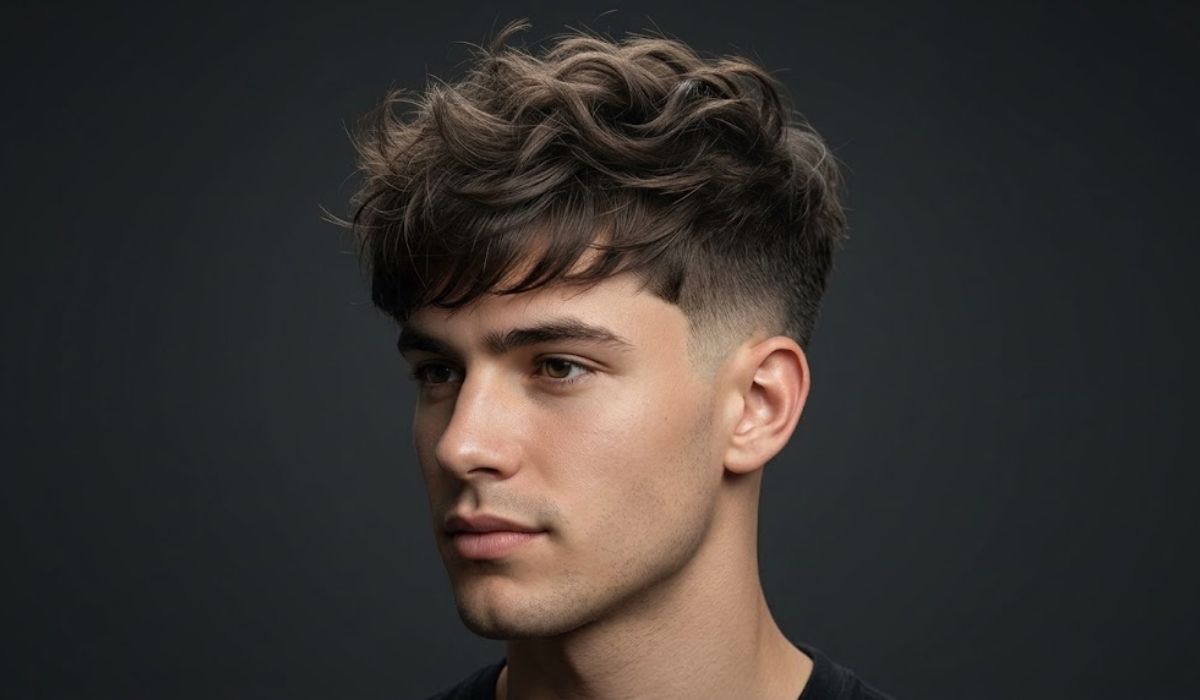
A fluffy hair boy with a low taper fade combines a soft, voluminous top with gradually shortened hair around the sideburns and neckline. Popular variations include the fluffy fringe, textured crop, middle part, messy quiff, and natural curly top. The best style depends on hair texture, preferred length, and how much time you want to spend styling your hair.
TL;DR: What You Should Know
- A low taper fade keeps the hair around the sideburns and neckline neat while preserving length on top.
- A fluffy fringe, middle part, messy quiff, and textured crop are different ways to style the longer top.
- Straight hair may need extra root lift, while wavy and curly hair can use their natural texture to create volume.
- Thick hair benefits from careful shaping to maintain movement without excessive bulk.
- Lightweight styling products help preserve a soft finish without making the hair feel heavy.
- Showing your barber a clear reference photograph is one of the easiest ways to communicate your preferred haircut.
Table of Contents
- 17 Fluffy Hair Boy with Low Taper Fade Styles
- How to Choose a Style for Your Hair Type
- How to Get Fluffy Hair as a Boy
- What to Tell Your Barber
- Low Taper vs. Mid Taper for Fluffy Hair
- How to Maintain a Fluffy Low Taper Fade
- Common Styling Mistakes to Avoid
- Frequently Asked Questions
- Key Takeaways
17 Fluffy Hair Boy with Low Taper Fade Styles to Try in 2026
Looking for a haircut that keeps your sides clean without losing the volume on top? A fluffy hairstyle with a low taper fade offers several ways to achieve that combination. You can wear the top forward, sweep it to the side, create a middle part, or style it upward for extra height.
Here are 17 different ideas to consider. Each option has its own shape and styling requirements, so choose one that works with your natural hair rather than relying on a photograph alone.
1. Classic Fluffy Top with Low Taper Fade
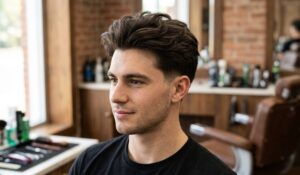
The classic fluffy top is a balanced choice for boys who want natural volume without an overly structured appearance. The top stays full and slightly textured, while the lower sides gradually become shorter around the ears and neckline.
This style works particularly well when the hair has enough length to create movement. You can use your fingers to separate the strands and keep the finish relaxed.
Best for: Straight, wavy, and moderately thick hair.
Styling effort: Moderate.
2. Fluffy Fringe with Low Taper Fade
A fluffy fringe brings the longer hair forward, creating a soft shape around the forehead. The low taper keeps the sides and neckline neat without taking attention away from the textured front.
Ask your barber to leave enough length around the fringe so it can move naturally instead of sitting like a rigid, straight line. This variation is especially suitable for boys who prefer a relaxed hairstyle.
Best for: Straight and wavy hair.
Styling effort: Low to moderate.
3. Textured Fluffy Crop with Low Taper Fade
The textured fluffy crop combines a shorter top with visible separation between the strands. Instead of creating a tall hairstyle, the goal is to achieve a light, slightly messy appearance with natural movement.
This is a useful option for boys who want some texture without keeping their hair very long. A little styling product can help define the top, but too much can make the crop look heavy.
Best for: Straight, wavy, and thick hair.
Styling effort: Low.
4. Messy Fluffy Quiff with Low Taper Fade
If you prefer extra height at the front, try a messy fluffy quiff. The front section is lifted upward and slightly backward, while the remaining top keeps a loose, textured appearance.
Unlike a sharply styled quiff, this version does not need to look perfectly arranged. Use your fingers to direct the front upward and avoid applying too much product.
Best for: Straight and wavy hair with enough length at the front.
Styling effort: Moderate.
5. Middle Part Fluffy Hair with Low Taper Fade
The middle part, also called a curtain hairstyle, divides the longer top into two sections that fall toward either side of the face. The fluffy texture gives the hair a fuller appearance without making the part look too formal.
This style works best when the front has enough length to fall naturally in both directions. A small amount of lightweight styling product can help maintain the separation while keeping the movement soft.
Best for: Straight and wavy hair.
Styling effort: Moderate.
6. Side Swept Fluffy Hair with Low Taper Fade
Side swept fluffy hair is a good option if you like a little direction without committing to a middle part. The top is brushed toward one side, creating a soft shape with natural volume.
The low taper provides a clean outline around the lower sides. You can adjust how far the hair moves across the forehead depending on your preferred length.
Best for: Straight and wavy hair.
Styling effort: Low to moderate.
7. Curly Fluffy Top with Low Taper Fade
Natural curls can create volume without requiring the same styling techniques used for straight hair. A curly fluffy top keeps the natural curl pattern visible while the low taper gives the overall haircut a cleaner shape.
Ask your barber to preserve enough length for the curls to form properly. Use a lightweight curl styling product if needed, and avoid brushing dry curls aggressively because this can disrupt their definition.
Best for: Naturally curly hair.
Styling effort: Moderate.
8. Wavy Fluffy Hair with Low Taper Fade
Wavy fluffy hair combines natural movement with a relaxed, fuller appearance. The waves create texture across the top, while the low taper keeps the lower sides from looking overly bulky.
This option is particularly attractive when the waves are allowed to fall naturally rather than being forced into a rigid shape. A small amount of lightweight cream can help control frizz while preserving movement.
Best for: Naturally wavy hair.
Styling effort: Low to moderate.
9. Straight Fluffy Hair with Low Taper Fade
Straight hair can also achieve a fluffy appearance, although it may need a little more help with volume. The key is to avoid letting the top fall completely flat against the scalp.
Ask your barber for a shape that leaves enough length and allows some natural movement. During styling, lift the roots while drying and use a lightweight product rather than a heavy wax.
Best for: Naturally straight hair.
Styling effort: Moderate.
10. Thick Fluffy Hair with Low Taper Fade
Thick hair naturally provides fullness, but too much bulk can make the top look difficult to manage. A carefully shaped fluffy top helps maintain volume while giving the hair a more balanced silhouette.
The barber can adjust the layers and remove unnecessary weight without making the top too thin. Keep the natural texture visible instead of trying to flatten the hair completely.
Best for: Thick and dense hair.
Styling effort: Moderate.
11. Short Fluffy Hair with Low Taper Fade
Not every fluffy hairstyle needs long hair. A short fluffy top can still create visible texture and movement when the barber leaves enough length for the strands to separate naturally.
This is a practical choice for boys who prefer a shorter haircut and do not want to spend much time styling every morning. Keep the top lightly textured and avoid products that make the hair stiff.
Best for: Straight, wavy, and moderately thick hair.
Styling effort: Low.
12. Long Fluffy Fringe with Low Taper Fade
A longer fluffy fringe gives the front of the hairstyle more movement and coverage. The hair falls toward the forehead while the low taper creates contrast around the ears and neckline.
This variation needs enough front length to fall naturally. If you want a softer appearance, ask your barber to keep the fringe textured instead of cutting it into a perfectly straight edge.
Best for: Straight and wavy hair.
Styling effort: Moderate.
13. Rounded Fluffy Top with Low Taper Fade
The rounded fluffy top creates a fuller shape across the upper head. Rather than directing all the hair forward or upward, this style keeps the volume more evenly distributed.
It is worth discussing the overall silhouette with your barber because the right amount of shaping depends on hair density and natural growth patterns. The low taper adds a neat finish underneath the fuller top.
Best for: Thick, straight, and wavy hair.
Styling effort: Low to moderate.
14. Fluffy Brush Up with Low Taper Fade
A fluffy brush up directs the top hair upward to create a more noticeable lifted appearance. It has some similarities to a quiff, but the main emphasis is on upward movement across the front and upper section.
Use your fingers or a suitable brush to lift the roots while styling. Keep the finish soft instead of using too much holding product, which can make the hairstyle look stiff.
Best for: Straight and wavy hair with sufficient length.
Styling effort: Moderate.
15. Layered Fluffy Flow with Low Taper Fade
The layered fluffy flow is suitable for boys who prefer a longer, more relaxed hairstyle. The top has enough length to move naturally, and the layers help create separation instead of one heavy section of hair.
The low taper keeps the lower edges neat while allowing the upper hair to remain full. This style generally needs more length and may require occasional shaping to maintain its intended appearance.
Best for: Wavy and straight hair.
Styling effort: Moderate.
16. Natural Messy Fluffy Hair with Low Taper Fade
If you prefer a relaxed appearance, natural messy fluffy hair is worth considering. The top is allowed to move freely, with lightly separated strands rather than a carefully arranged shape.
This haircut works best when the natural texture already provides some volume. A small amount of lightweight styling product can help manage the shape without removing its relaxed finish.
Best for: Wavy, thick, and naturally textured hair.
Styling effort: Low to moderate.
17. Curly Fringe with Low Taper Fade
The curly fringe combines a forward falling shape with natural curls. Instead of creating a straight fringe, the curls form a softer outline around the forehead.
The low taper adds a neat finish around the lower sides without removing the natural volume from the top. Keep the curls moisturized and use an appropriate lightweight styling product when needed.
Best for: Naturally curly hair.
Styling effort: Moderate.
How to Choose a Fluffy Low Taper Fade for Your Hair Type
The same haircut can look different on two boys because hair texture, density, and natural movement affect the final shape. Choosing a style that works with your existing hair usually makes styling easier.
For Straight Hair
Straight hair may need extra root lift to achieve a fluffy finish. A textured crop, fluffy fringe, side swept style, or brush up can work well when the top has enough length.
- Ask for light texture rather than excessive thinning.
- Keep enough length at the front if you want a fringe or quiff.
- Lift the roots while drying to create volume.
- Choose lightweight products instead of heavy waxes.
For Thick Hair
Thick hair already has plenty of natural fullness, but it can become difficult to manage if the top has too much weight. A textured crop, rounded top, or classic fluffy style can help create a more controlled shape.
- Ask your barber to remove unnecessary bulk where appropriate.
- Keep enough length to preserve the fluffy appearance.
- Avoid making the top excessively dense if it becomes difficult to style.
- Use a small amount of styling product to control the shape.
For Wavy Hair
Wavy hair has natural movement that can make a fluffy hairstyle easier to achieve. A middle part, side swept style, fluffy flow, or natural messy top can work particularly well.
- Keep the waves visible instead of brushing them completely straight.
- Use a lightweight cream if extra control is needed.
- Allow the hair to dry naturally when suitable.
- Choose a top length that lets the waves form comfortably.
For Curly Hair
Curly hair can create a naturally full top, making a curly fluffy top or curly fringe attractive options. The main consideration is preserving the natural curl pattern while shaping the haircut.
- Ask for a cut that respects your curl pattern.
- Consider how much the curls shrink when dry.
- Use a suitable curl styling product.
- Avoid aggressive brushing when the curls are dry.
How to Get Fluffy Hair as a Boy
Getting fluffy hair is not only about using styling products. The right haircut, enough top length, root lift, and natural movement all contribute to the final appearance.
Follow these basic steps to create a softer, fuller hairstyle.
- Start with clean hair: Wash your hair when needed and remove excess product buildup. Gently towel dry without rubbing aggressively.
- Prepare the hair: While the hair is slightly damp, use a small amount of lightweight styling product if your hair needs additional control or texture.
- Create root lift: Use your fingers to lift the hair away from the scalp. If using a blow dryer, direct the airflow toward the roots while shaping the hair.
- Choose your direction: Move the hair forward for a fluffy fringe, divide it for a middle part, or lift it upward for a quiff.
- Separate the strands: Gently use your fingers to create natural texture and avoid making the top look too organized.
- Finish lightly: Use only enough styling product to maintain the desired shape. Too much can weigh the hair down.
Can You Get Fluffy Hair Without a Blow Dryer?
Yes. You can create a softer, fuller appearance without a blow dryer, although the results depend on your natural hair texture and length.
- Start with slightly damp hair.
- Use your fingers to lift the roots and separate the strands.
- Direct the front into your preferred shape.
- Allow the hair to dry naturally without pressing it flat.
- Adjust the shape gently once the hair has dried.
Straight hair that naturally sits close to the scalp may not achieve the same amount of lift without directed airflow. However, a suitable haircut and lightweight styling routine can still help create texture.
What to Tell Your Barber to Get a Fluffy Low Taper Fade
Showing your barber a photograph is helpful, but a short explanation can make your expectations clearer. Describe the taper placement, the top length, and the way you want the hair to sit.
You can use this instruction as a starting point:
“I want a low taper around the sideburns and neckline, with enough length left on top for a soft, fluffy hairstyle. Please keep the top textured and natural, with enough movement for the style in this reference photo. I do not want the sides tapered too high.”
Adjust the instruction depending on your preferred style. For example, mention a forward fringe if you want the hair to fall toward your forehead, or a middle part if you prefer the hair to move in two directions.
Three Things to Confirm Before the Haircut
- Taper placement: Show where you want the transition to begin around the sideburns and neckline.
- Top length: Explain whether you want a short textured crop, medium fluffy top, or longer fringe.
- Final shape: Show the front and side views of your preferred hairstyle so the barber understands the overall appearance.
Remember that a photograph is a reference, not a guarantee that the same hairstyle will look identical on every hair type. Your barber can adjust the shape to suit your natural hair.
Low Taper vs. Mid Taper for Fluffy Hair
A low taper and a mid taper mainly differ in where the gradual shortening begins. Both can be combined with a fluffy top, but they create different visual effects around the sides.
| Feature | Low Taper Fade | Mid Taper Fade |
|---|---|---|
| Placement | Concentrates the shortening near the lower sideburns and neckline. | Begins higher around the sides than a low taper. |
| Overall appearance | Preserves more visible length around the upper sides. | Creates a higher transition along the sides. |
| Top hairstyle | Works with fringes, quiffs, curls, and middle parts. | Can also work with fringes, quiffs, curls, and middle parts. |
| Visual effect | Creates a more subtle lower outline. | Creates a more noticeable transition higher on the sides. |
| Best choice | For someone who wants a subtle taper and fuller looking sides. | For someone who prefers the taper to extend higher. |
Which one should you choose? If you want to preserve more length around the sides while keeping the neckline and sideburns neat, a low taper is a sensible starting point. Choose a mid taper if you prefer the transition to begin higher. Your reference photograph can help your barber understand the exact appearance you want.
How to Maintain a Fluffy Low Taper Fade
A fluffy haircut needs enough care to preserve its shape without making the daily routine complicated. The sides and top may need attention at different times because they serve different purposes.
Keep the Top Light and Textured
Avoid using too much heavy styling product. If the hair begins to feel greasy, stiff, or flat, reduce the amount you apply and choose a lighter formula.
Refresh the Lower Edges
The taper gradually becomes less defined as the hair grows. Refresh the lower edges when they no longer have the appearance you prefer. The exact timing depends on your growth pattern and how sharp you want the haircut to look.
Maintain Your Natural Hair Texture
Use a suitable shampoo and conditioner for your hair type. Curly hair may need additional moisture, while straight hair may benefit from avoiding overly heavy products that reduce volume.
Reshape the Top When Needed
If the top becomes too long or loses its intended shape, ask your barber for a small adjustment. You do not necessarily need to remove much length to restore movement.
Common Mistakes to Avoid When Styling Fluffy Hair
A fluffy hairstyle should look soft and natural rather than stiff or excessively messy. A few simple mistakes can make the result less attractive or harder to maintain.
- Using too much product: Heavy styling products can weigh the hair down and reduce volume.
- Cutting the top too short: Insufficient length can make it difficult to create the desired fluffy shape.
- Choosing a style that does not suit your texture: A photograph of straight hair may not translate directly to naturally curly hair.
- Requesting an unclear taper: Saying only that you want short sides may lead to a different result than expected.
- Overstyling the hair: Excessive brushing and product application can remove the natural movement you want.
- Ignoring the neckline: The lower outline is an important part of the finished taper.
Frequently Asked Questions
1. What is the best fluffy haircut with a low taper fade for boys?
A fluffy fringe, classic textured top, middle part, and messy quiff are useful options. The best choice depends on your hair texture, preferred length, and styling routine.
2. How do boys get fluffy hair naturally?
Start with a suitable haircut that leaves enough length on top. Use your fingers to lift the roots and separate the strands while the hair dries naturally. Lightweight styling products can help if additional control is needed.
3. How can I make straight hair fluffy?
Keep enough length on top, create lift at the roots, and use a lightweight styling product. Directing the hair while drying can help prevent it from sitting flat against the scalp.
4. Can thick hair work with a low taper fade?
Yes. Thick hair can create a naturally full top, while careful shaping helps control excess bulk. A textured crop, classic fluffy top, or rounded style can be worth considering.
5. Which fluffy hairstyle is best for curly hair?
A curly fluffy top or curly fringe can preserve natural curl definition while giving the haircut a fuller appearance. The barber should consider how much the curls shrink when dry.
6. Can I get fluffy hair without using a blow dryer?
Yes. You can lift the roots with your fingers, direct the hair into your preferred shape, and allow it to air dry. Naturally straight hair may achieve less lift without directed airflow.
7. Is a low taper better than a mid taper for fluffy hair?
Neither is universally better. A low taper keeps the transition closer to the lower edges, while a mid taper starts higher on the sides. Choose according to the appearance you prefer.
8. How long should the top be for a fluffy hairstyle?
The required length depends on whether you want a short textured crop, fluffy fringe, middle part, or quiff. Ask your barber to assess your natural texture and leave enough length for your chosen shape.
9. How do I stop my fluffy hair from falling flat?
Use a suitable lightweight product, lift the roots while styling, and avoid applying excessive product. If your hair repeatedly falls flat, the haircut may need more suitable length or shaping.
10. How often should I get a low taper fade refreshed?
It depends on how quickly your hair grows and how sharp you want the lower edges to remain. Refresh the taper when its outline no longer matches your preferred appearance.
Key Takeaways
A fluffy hairstyle with a low taper fade is a flexible haircut that combines a fuller, textured top with neatly tapered lower sides. You can personalize it with a fringe, middle part, quiff, crop, or natural curls.
- Choose a hairstyle that works with your natural hair texture.
- Keep enough length on top to achieve your preferred fluffy shape.
- Use lightweight styling products to preserve natural movement.
- Show your barber a reference photograph and explain the desired taper placement.
- Maintain the lower edges without unnecessarily cutting away the top length.
The best choice is the one that matches your natural hair, gives you the appearance you want, and remains easy enough to style every day.

Hi, I’m Tomy Parker, a tattoo enthusiast and content writer at Tattosyle.com. I love exploring tattoo styles, meanings, placement ideas, aftercare tips, and the latest trends in body art. My goal is to create easy-to-understand, helpful, and accurate guides that inspire both first-time tattoo lovers and experienced collectors. Through Tattosyle, I aim to help you make informed decisions and discover tattoo designs that reflect your unique personality and story.
Leave a Reply