
Quick Answer
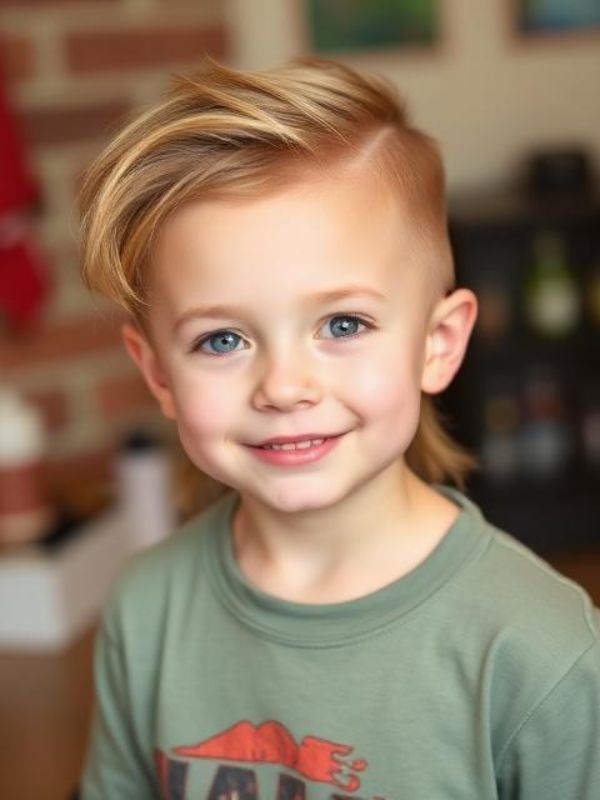
Kids mullet haircuts keep the front and sides shorter while leaving more length toward the back and nape. Modern versions can include a fade, taper, layers, texture, or a shorter overall shape, making the style adaptable to straight, wavy, and curly hair.
The best version depends on the child’s hair texture, preferred back length, maintenance needs, school requirements, and personal preference. A reference photo with similar hair texture is one of the easiest ways to help a barber understand the desired result.
TL;DR
- A kids mullet is shorter around the front and sides with more length retained toward the back.
- A kids mullet fade combines the mullet shape with progressively shorter sides.
- A taper gives a more localized gradual transition around areas such as the temples, sideburns, and neckline.
- Curly, wavy, and straight hair can all work with a mullet, but the finished shape changes with natural texture.
- Short mullets can provide a more practical option when a child needs an easier style to manage.
- The barber request should cover the sides, top, back length, fade or taper, and desired maintenance level.
What Is a Kids Mullet Haircut?
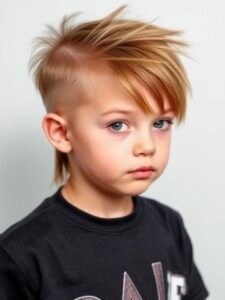
A kids mullet is a haircut built around a simple contrast: the front and sides are kept shorter while the hair at the back remains longer. The difference can be subtle or dramatic, depending on how much length is removed from the sides and how much hair is retained at the nape.
The modern version is much more flexible than one fixed haircut. A barber can combine the basic mullet shape with a taper, fade, layers, curls, texture, or a shorter back to create a style that fits the child’s hair and preferences.
What Makes a Modern Kids Mullet Different?
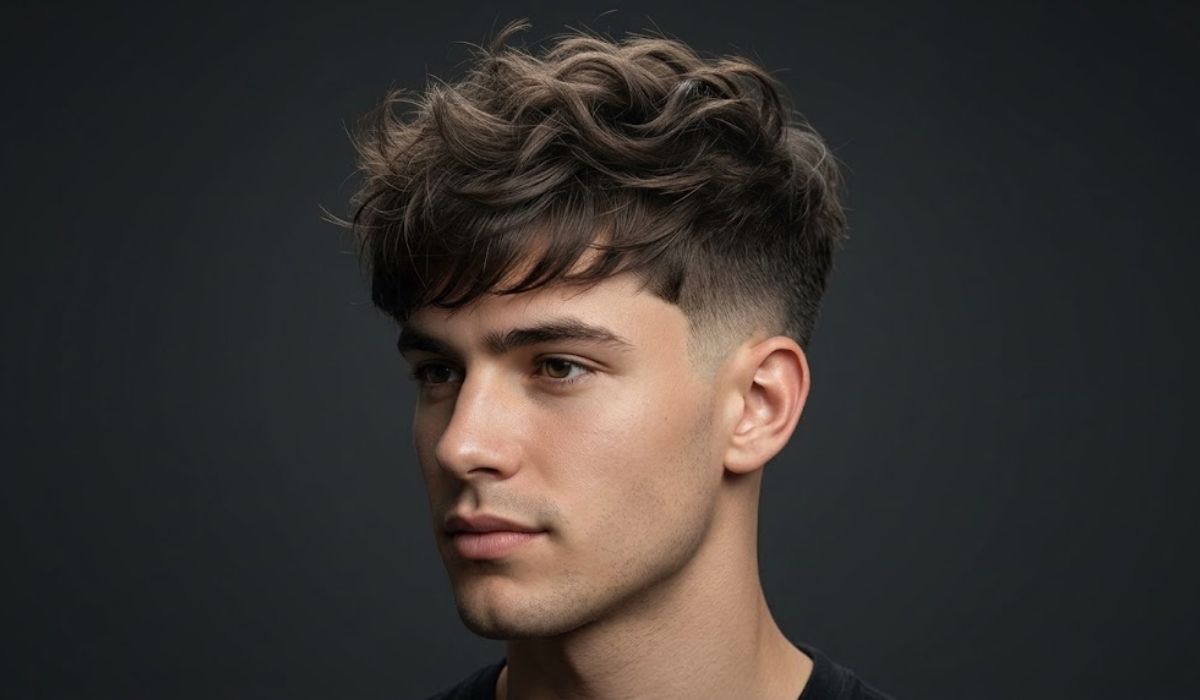
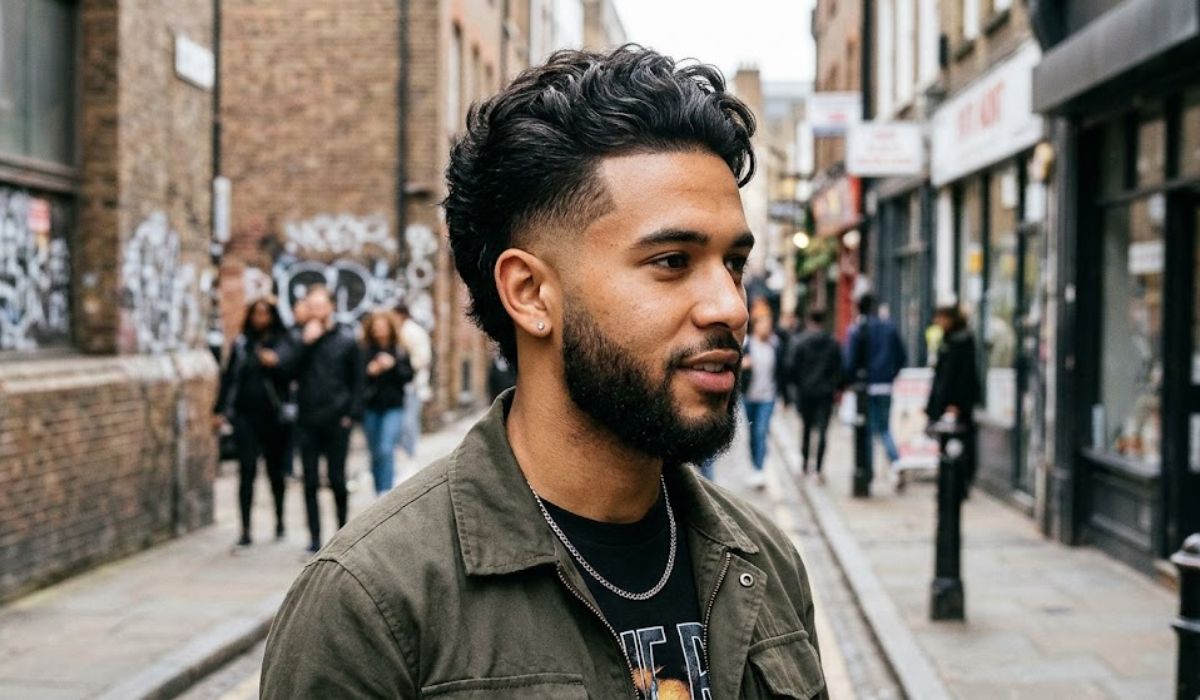
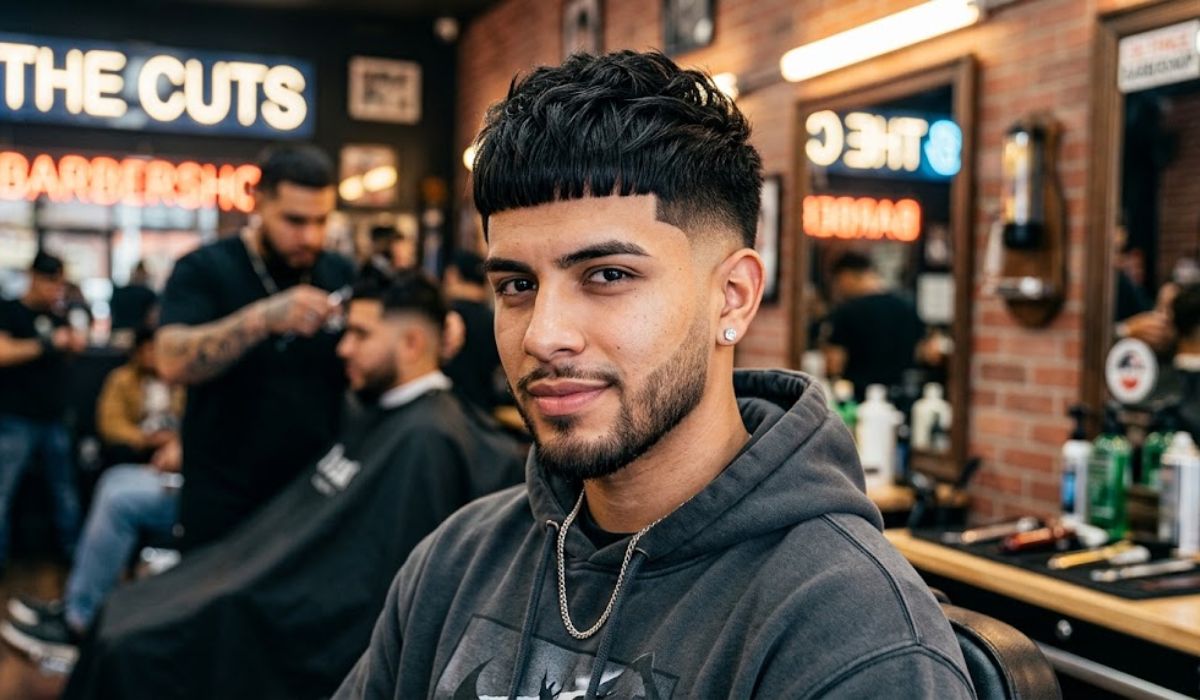
A modern kids mullet usually looks more blended and intentional than a simple contrast between short sides and a long back. Faded or tapered sides can soften the transition, while layers and texture can make the longer sections look lighter and more natural.
The amount of contrast is also adjustable. A child can have a relatively subtle mullet with a modest amount of length at the back, or a much more noticeable version with a stronger difference between the sides and nape.
Classic vs. Modern Kids Mullet
| Feature | Classic approach | Modern approach |
|---|---|---|
| Sides | Shorter with a visible contrast | Often blended with a fade or taper |
| Back | Noticeably longer | Can range from short to moderately long |
| Texture | Often simpler | Layers and natural texture may be emphasized |
| Overall appearance | More traditional | More customized |
Best Kids Mullet Haircuts
There is no single best kids mullet for every child. The most useful way to compare styles is by looking at the amount of length, the treatment of the sides, and how naturally the cut works with the child’s hair texture.
1. Classic Kids Mullet

The classic version keeps the sides and front relatively short while preserving noticeable length at the back. It is a straightforward choice when the goal is to make the mullet shape obvious without adding a complicated fade or design.
The final appearance depends heavily on the amount of hair left at the back. A shorter back creates a more restrained look, while extra length makes the mullet more prominent.
2. Kids Mullet Fade
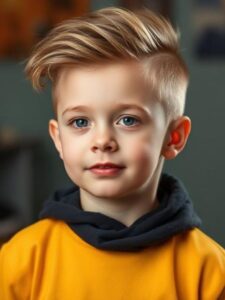
A kids mullet fade combines the longer back of a mullet with sides that gradually become shorter. The fade can be kept relatively subtle or made more noticeable depending on the desired contrast.
This version is particularly useful for parents who want the recognizable mullet shape while keeping the sides clean and closely blended.
3. Short Kids Mullet Fade
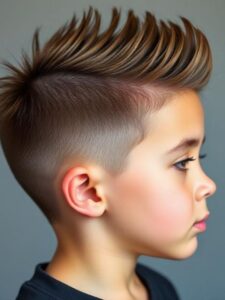
A short kids mullet fade reduces the amount of length throughout the haircut while preserving the defining longer section at the back. It can be a practical choice when a child prefers shorter hair or when a less dramatic mullet is desired.
The important detail is that the back still needs enough length to create the mullet silhouette. If every section is cut to nearly the same length, the haircut starts to resemble a conventional short cut instead.
4. Tapered Kids Mullet
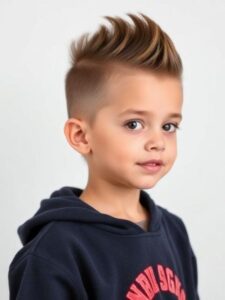
A tapered mullet uses gradual shortening around selected areas such as the temples, sideburns, and neckline. Compared with a strong fade, a taper can create a softer transition while preserving more hair around the sides.
This makes the taper useful for parents who want the mullet shape without an especially close treatment on the sides.
5. Modern Kids Mullet Fade
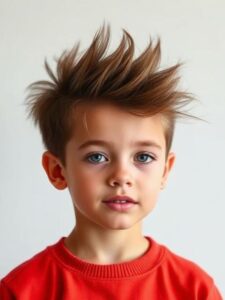
A modern kids mullet fade usually combines a clean side treatment with a textured top and controlled length at the back. The modern appearance comes from how the sections are blended and shaped rather than from one mandatory length or fade level.
For a child with naturally textured hair, the barber can also use the existing movement of the hair instead of trying to make every section look perfectly uniform.
6. Burst Fade Mullet
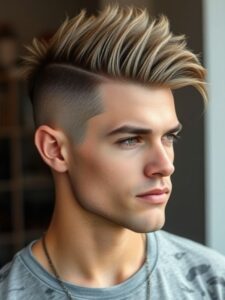
A burst fade curves around the ear while leaving more length toward the back. When combined with a mullet, this creates a noticeable transition around the ear and preserves the longer rear section.
Because the shape is more distinctive, a reference photograph is especially helpful when requesting this variation.
7. Kids Mullet Mohawk
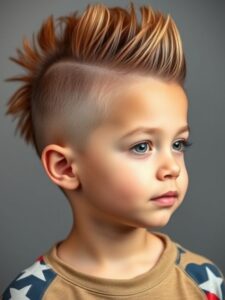
A kids mullet mohawk combines elements of the mohawk and mullet. The central section remains more prominent while the sides are reduced, with additional length continuing toward the back.
This is a more noticeable interpretation of the basic mullet, so the amount of contrast should be discussed with the barber before cutting.
8. Shaggy Kids Mullet

A shaggy version uses layers and natural movement rather than relying entirely on a sharp fade. It can work especially well when the child’s hair already has natural wave or texture.
The goal is a relaxed shape with visible length at the back and enough layering to prevent the longer sections from looking heavy.
Kids Mullet Haircuts by Hair Type
The same haircut does not produce the same result on every child. Hair texture, density, natural movement, and the amount of length all affect how the mullet sits.
Kids Mullet With Straight Hair

Straight hair tends to show the haircut’s lines and transitions clearly. A short fade or taper can therefore create a particularly defined contrast between the sides and longer back.
If straight hair is fine or lies very flat, the barber may need to use layering or texture so the longer back does not simply hang downward without shape.
Kids Mullet With Wavy Hair

Wavy hair naturally adds movement to the top and back. A layered mullet can take advantage of that movement without requiring heavy styling.
The amount of back length should be chosen carefully because waves can make the rear section appear shorter when dry than it does when wet.
Kids Mullet With Curly Hair

Curly hair can give a kids mullet substantial volume and texture. The barber should account for the child’s natural curl pattern rather than treating curly hair as if it behaves like straight hair.
Keeping some length at the back allows the curls to define the mullet shape, while the sides can be tapered or faded according to the desired level of contrast.
Kids Mullet for Thick or Fine Hair
Thick hair may benefit from strategic layering so the back does not become excessively heavy. Fine hair may need enough retained length and texture to make the longer section visibly distinct.
These are general styling considerations rather than fixed rules. A barber can judge the child’s actual density and growth pattern before deciding how much hair to remove.
Short Kids Mullet Styles
A short kids mullet keeps the defining back length while reducing the overall amount of hair. This can make the haircut easier to manage while still preserving the mullet silhouette.
Short Mullet With a Fade
The sides can be faded relatively close while the back retains a modest amount of length. This creates a clear distinction between the sides and rear without requiring a long tail.
Short Mullet With a Taper
A taper provides a less aggressive transition around the edges. This can be useful when the desired result is a subtle mullet rather than a very strong contrast.
Short Hair With a Longer Nape
Another approach is to keep most of the haircut short while deliberately preserving the nape. This is one of the simplest ways to create a restrained mullet shape.
How to Choose the Right Kids Mullet
Instead of choosing a haircut only because it looks good in one photograph, compare the style with the child’s actual hair, daily routine, and preferences.
| What to consider | What to decide |
|---|---|
| Hair texture | How straight, wavy, or curly should the final shape remain? |
| Back length | Subtle, moderate, or more noticeable? |
| Side treatment | Fade, taper, or a simple short side? |
| Maintenance | How frequently should the sides and edges be refreshed? |
| School requirements | Does the child’s school have specific hairstyle rules? |
| Personal preference | Does the child prefer a subtle or more noticeable style? |
Consider Hair Texture First
Hair texture changes how much volume and movement the finished cut will have. A reference image showing a similar texture is more useful than a photograph of a completely different hair type.
Decide How Much Back Length You Want
The back length is one of the biggest factors controlling how obvious the mullet looks. If the child wants a subtle version, ask for a shorter rear section. If the child wants a stronger mullet shape, more length can be retained.
Choose a Fade, Taper, or Simple Short Side
A fade progressively reduces the hair toward the lower sides. A taper creates gradual shortening around selected areas such as the temples, sideburns, and neckline. A simple short side leaves more hair without the same close transition.
Think About Maintenance
Shorter faded or tapered sides can lose their crisp appearance as the hair grows. A less tightly defined version can be more forgiving between barber visits.
There is no universal trimming schedule because children’s hair growth and the desired level of sharpness vary. Treat maintenance as a personal preference rather than a fixed rule.
Check School Requirements
School rules vary. Before choosing a dramatic fade, very long back, shaved design, or other distinctive version, check the child’s actual school dress code rather than assuming that one hairstyle policy applies everywhere.
How to Ask a Barber for a Kids Mullet
The easiest way to avoid confusion is to combine a reference photograph with a few specific instructions. Saying only “I want a mullet” leaves several important details open.
What to Tell Your Barber
- Show a reference photo. Choose an example with a similar hair texture whenever possible.
- Describe the sides. Say whether you want a fade, taper, or simply shorter sides.
- Describe the back. Explain whether you want a short, moderate, or more noticeable length.
- Explain the top. Mention whether you want the top neat, textured, layered, or left closer to its natural shape.
- Discuss the neckline. The neckline affects how the longer back connects with the rest of the haircut.
- Explain maintenance preferences. If frequent touchups are inconvenient, say so before the cut begins.
A useful barber request could be as simple as: “Keep the sides short with a soft taper, leave moderate length at the back, and keep the top textured so it works with the child’s natural hair.” The exact wording should be adjusted to the reference photograph and the child’s hair.
How to Maintain a Kids Mullet
Maintenance depends mostly on how sharply the sides and edges are defined. A tightly faded style generally shows regrowth sooner than a softer, less defined shape.
Keep the Sides and Edges Consistent
If the haircut includes a fade or taper, the sides and neckline are usually the areas where growth becomes most noticeable first. The exact timing of a refresh depends on how quickly the child’s hair grows and how crisp the family wants the haircut to remain.
Let Natural Texture Do Some of the Work
Curly and wavy hair can often create plenty of movement without extensive styling. Straight hair may benefit more from light texture or layering when the goal is to create visible shape in the longer sections.
Keep Styling Simple
For everyday wear, avoid making the child depend on a complicated styling routine. The haircut should work reasonably well with the child’s normal hair texture and routine.
Can You Cut a Kids Mullet at Home?
A kids mullet can be attempted at home, but creating a balanced fade, taper, or layered transition requires more control than simply trimming the back longer than the sides.
For parents without haircutting experience, a professional barber is the safer option when the desired style includes a detailed fade, taper, strong transition, or significant change in length.
If You Are Considering a Home Haircut
- Start with a clear reference photograph.
- Decide the desired back length before cutting.
- Remove less hair than you think you need to at first.
- Keep both sides visually balanced.
- Be especially cautious around the ears and neckline.
- Stop if the shape begins becoming uneven rather than trying to correct every mistake immediately.
The biggest problem with a home mullet is that removing too much length cannot be reversed during the same haircut. A professional barber can also account for growth patterns, density, texture, and the child’s head shape while creating the transition.
Kids Mullet Haircuts FAQ
What is a kids mullet haircut?
A kids mullet is a haircut with shorter hair toward the front and sides and more length toward the back. The amount of contrast can range from subtle to dramatic.
What is a kids mullet fade?
A kids mullet fade combines the longer back of a mullet with sides that progressively become shorter. The fade can be adjusted to create a softer or stronger contrast.
What is the difference between a kids mullet fade and taper?
A fade progressively shortens the sides toward the lower area, while a taper usually focuses gradual shortening around areas such as the temples, sideburns, and neckline. A taper generally leaves more hair around the sides than a close fade.
Can kids with curly hair get a mullet?
Yes. Curly hair can create natural volume and movement in a mullet. The cut should be shaped around the child’s actual curl pattern rather than treating the hair like straight hair.
Can kids with straight hair get a mullet?
Yes. Straight hair can work particularly well with clearly defined sides and a longer back. Layering or texture can help prevent the longer section from looking too flat.
What is a short kids mullet?
A short kids mullet keeps the overall haircut relatively short while preserving extra length at the back. It provides the recognizable mullet shape without requiring a long rear section.
Is a kids mullet suitable for school?
That depends on the school’s rules. Check the child’s current dress code before choosing a particularly dramatic fade, long back, shaved design, or other distinctive variation.
How do I ask a barber for a kids mullet?
Bring a reference photograph and specify the side treatment, top length, back length, neckline, and desired maintenance level. A reference image with similar hair texture makes the request easier to understand.
How often should a kids mullet be trimmed?
There is no universal schedule. A tightly defined fade or taper usually shows growth more quickly than a softer cut, so the ideal timing depends on the child’s growth rate and how sharp the family wants the haircut to look.
What is a burst fade mullet for kids?
A burst fade curves around the ear while preserving more length toward the back. Combined with a mullet, it creates a distinctive transition around the ear and a longer rear section.
Key Takeaways
- Kids mullet haircuts are highly customizable. The main structure is shorter hair toward the front and sides with more length at the back.
- Fade and taper choices change the character of the haircut. A fade creates a stronger gradual reduction on the sides, while a taper provides a more localized transition.
- Hair texture matters. Straight, wavy, and curly hair can all support a mullet, but each texture creates a different result.
- Short versions are a practical option. A shorter back can preserve the mullet shape while reducing overall length.
- A reference photo is one of the most useful barber tools. Choose an example with a similar hair texture whenever possible.
- There is no universal best mullet. The right choice depends on the child’s hair, preferred appearance, maintenance needs, school requirements, and personal preference.

Hi, I’m Tomy Parker, a tattoo enthusiast and content writer at Tattosyle.com. I love exploring tattoo styles, meanings, placement ideas, aftercare tips, and the latest trends in body art. My goal is to create easy-to-understand, helpful, and accurate guides that inspire both first-time tattoo lovers and experienced collectors. Through Tattosyle, I aim to help you make informed decisions and discover tattoo designs that reflect your unique personality and story.
Leave a Reply