
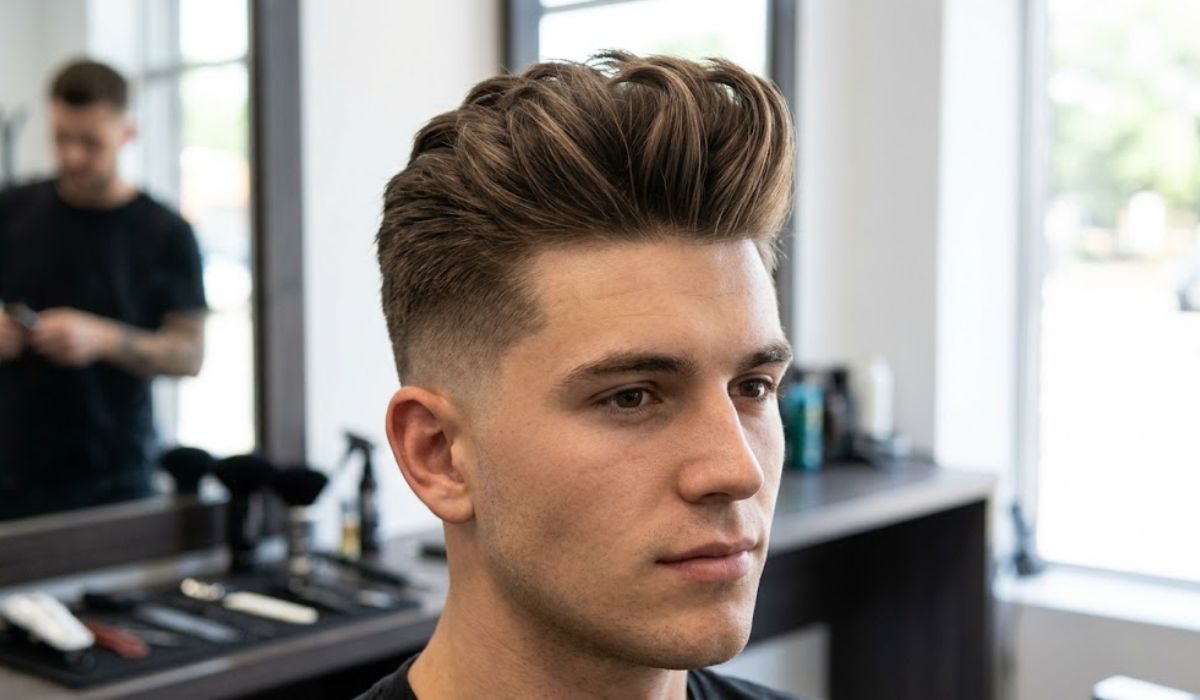
Quick Answer: What Is a Quiff Haircut?
A quiff haircut features longer hair at the front and top, with the front styled upward to create volume above the forehead. The sides and back are commonly shorter, although the exact cut can vary from a classic, neat finish to a textured style with a taper or fade. The best version depends on your hair length, texture, preferred height, and daily styling routine.
TL;DR: What You Need to Know
- A quiff is defined by its lifted front, which creates height and shape above the forehead.
- You can choose a classic, textured, messy, short, or curly quiff depending on your preferred appearance.
- A fade or taper changes the sides, while the quiff itself describes the styling of the front and top.
- Blow drying while lifting the front helps create volume and makes the shape easier to control.
- Tell your barber how much height you want, how you prefer the sides, and whether you want a natural or structured finish.
- A lower, softer quiff can be easier to manage than a high, carefully structured version.
What Makes a Quiff Haircut Different?
The defining feature of a quiff is the raised front section. Instead of lying flat against the forehead, the hair is lifted to create volume and then shaped backward, diagonally, or into a softer textured finish.
Many quiff haircuts have shorter sides and a longer top, but there is no single mandatory side length or finishing technique. The haircut can look clean and polished, relaxed and messy, or bold and voluminous.
The Front and Top
The front needs enough length to lift and hold the intended shape. The remaining top hair blends into the raised section, creating a balanced silhouette rather than an isolated spike at the hairline.
For a natural appearance, the front can have a gentle lift with visible texture. For a more dramatic appearance, the front can stand higher and the top can be shaped into a more defined sweep.
The Sides and Back
The sides determine much of the haircut’s overall character. Short faded sides create a stronger contrast with the top, while a taper or longer sides can produce a softer appearance.
Remember that a quiff and a fade are not the same thing. A quiff describes the raised front and top, while a fade describes how the hair gradually becomes shorter along the sides or back.
Popular Quiff Haircut Styles
The most useful way to choose a quiff is to compare the height, texture, and side treatment. The following styles share the same basic idea but create different results.
1. Classic Quiff Haircut
The classic quiff has a defined front lift, a controlled sweep, and a relatively neat finish. The sides are often shorter than the top, allowing the raised front to remain the main feature.
This option suits someone who wants a tidy hairstyle that can work in everyday and more formal settings. It does not need an exaggerated height to look recognizable.
Choose it if: You prefer a clean silhouette, moderate volume, and a finish that looks deliberate without appearing overly messy.
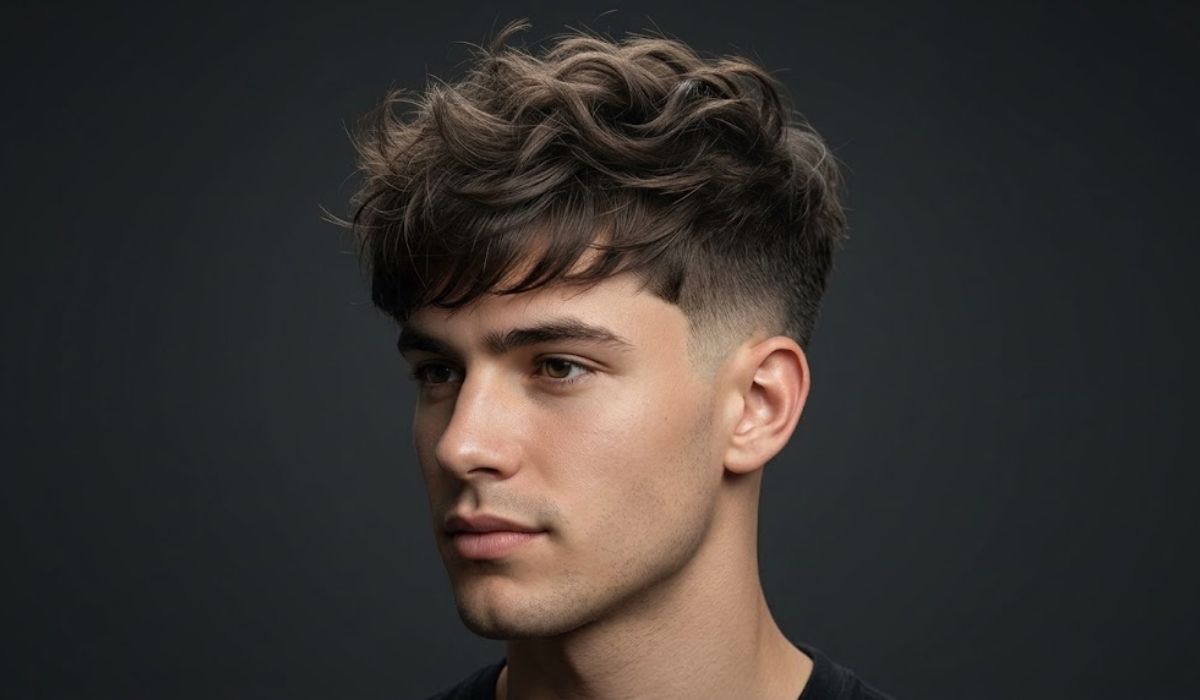
2. Textured Quiff Haircut
A textured quiff uses separation between strands to create movement and a less uniform appearance. The front still has lift, but the surface looks more natural than a smoothly combed style.
Texture can be especially useful when you want a hairstyle that does not look overly polished. A suitable matte product may help define the strands without adding too much shine.
Choose it if: You like a relaxed appearance and want the top to show movement rather than a perfectly smooth surface.
3. Messy Quiff Haircut
A messy quiff has a deliberately relaxed finish. The front remains lifted, but the strands are less uniform and may move slightly in different directions.
Messy does not mean completely unstyled. A good result still has enough shape to distinguish the quiff from hair that has simply been left to dry without direction.
Choose it if: You prefer a casual style with movement and do not want every strand to sit in exactly the same position.
4. Short Quiff Haircut
A short quiff keeps the raised front relatively low and the top compact. It creates the characteristic quiff shape without requiring the height or length of a more dramatic version.
This can be a practical starting point if you want a noticeable front lift but prefer a less elaborate styling routine. The exact result depends on how much front length your barber leaves.
Choose it if: You prefer a restrained silhouette and want to avoid a tall, heavily structured hairstyle.
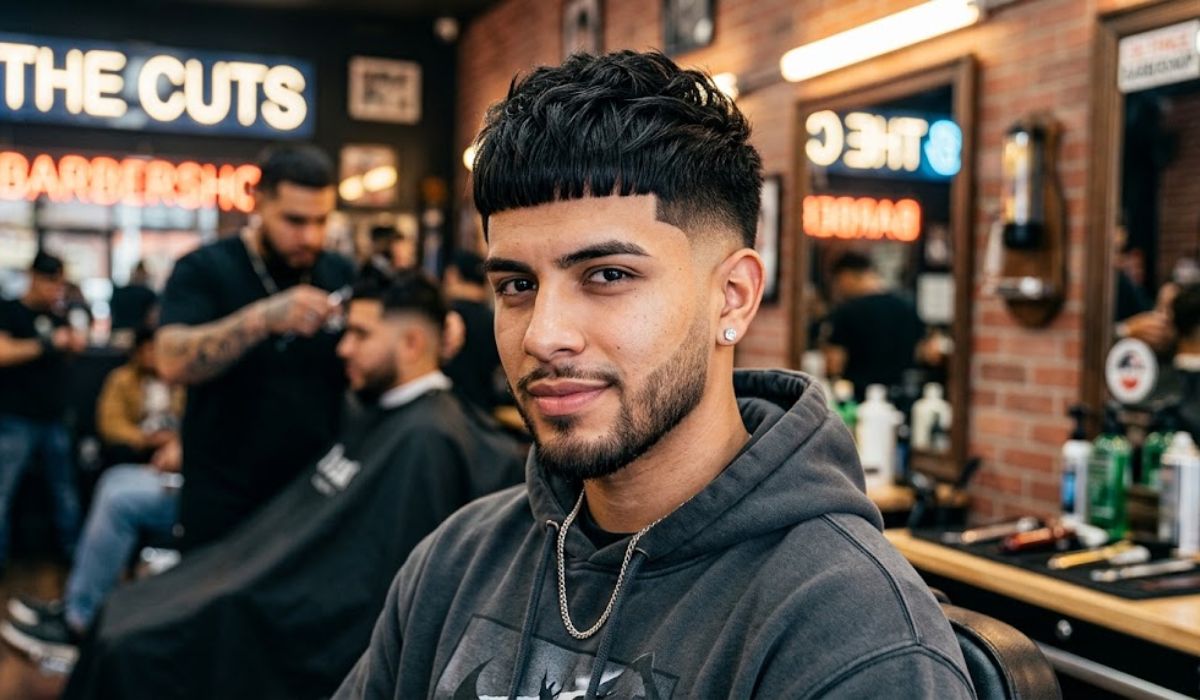
5. Quiff Haircut With a Fade
A quiff with a fade combines the lifted top with sides that gradually become shorter toward the lower part of the head. A low fade generally creates a more subtle transition than a higher fade.
The fade does not determine how the front must be styled. You can combine faded sides with a classic quiff, a messy finish, or a more textured top.
Choose it if: You like a defined contrast between the top and sides. Be prepared for more frequent side maintenance if you want the fade to remain crisp.
6. Quiff With a Taper
A taper gradually shortens the hair around areas such as the temples and neckline. Compared with a pronounced fade, a taper can preserve more visible length around the sides.
This combination works well when you want the front to stand out without creating a very sharp contrast between the top and sides.
Choose it if: You want a balanced silhouette with neatly finished edges and a softer overall transition.
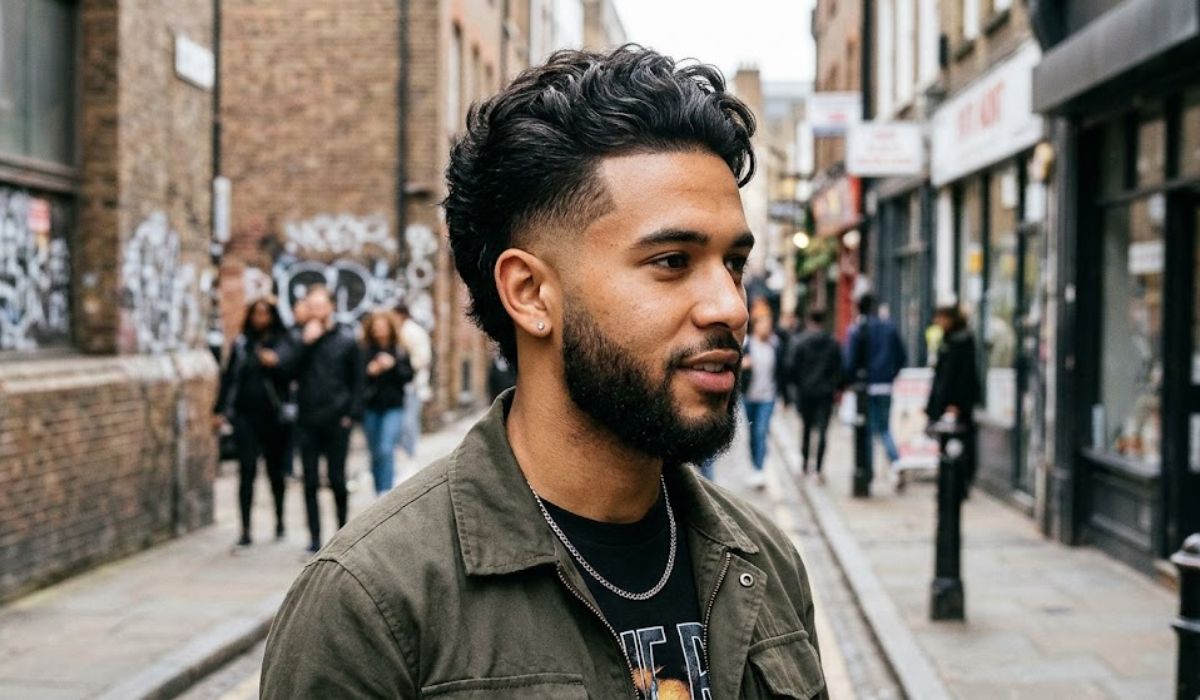
7. Curly Quiff Haircut
A curly quiff uses the natural shape of curls to create volume and movement at the front. The goal is to direct the hair upward without forcing every curl into a straight, uniform shape.
The cut should account for how the curls sit when dry, since curly hair can appear shorter after it springs into its natural pattern. Your barber can adjust the top length and shape to suit your curl pattern.
Choose it if: You want to retain natural curls while creating a more defined front shape.
8. High Volume Quiff
A high volume quiff creates a more noticeable lift above the forehead. The top generally needs enough length and control to maintain the raised shape.
This version may require more deliberate blow drying, shaping, and finishing product than a lower quiff. It can also be harder to maintain if your hair naturally falls forward or lacks the structure needed for the intended height.
Choose it if: You want the front to be a prominent feature and are comfortable spending more time shaping it.
Quiff vs. Pompadour, Fringe, and Slick Back
These hairstyles can look similar because they all use different ways of arranging the front and top. The clearest distinction is the direction, distribution, and shape of the hair.
| Hairstyle | Defining feature | Typical appearance | Best starting point |
|---|---|---|---|
| Quiff | Raised front with visible lift | Flexible, textured, or neatly swept | Someone who wants volume at the front |
| Pompadour | More continuous swept back volume across the top | Often fuller and more structured | Someone who prefers a more continuous elevated shape |
| Fringe | Front hair directed toward the forehead | Hair may rest over or near the forehead | Someone who prefers a forward facing front |
| Slick back | Hair directed backward | Usually emphasizes a backward sweep rather than a raised front | Someone who wants a backward directed finish |
Quiff vs. Pompadour
The quiff generally emphasizes the lift at the front, while the pompadour commonly creates a more continuous volume that sweeps backward across the top. The two styles overlap, so a photograph may show features of both.
If you want a softer, more flexible front, a quiff is a useful starting point. If you prefer a fuller, more continuous swept back shape, ask your barber to show you pompadour references as well.
Quiff vs. Fringe
A quiff lifts the front away from the forehead, while a fringe usually directs the front hair toward or over the forehead. Some textured styles combine a slight lift with forward movement, so the distinction is based on the overall shape rather than one rigid rule.
Quiff vs. Slick Back
A slick back primarily directs the hair backward, often creating a smoother surface. A quiff emphasizes height at the front. A quiff can still be swept backward, but the raised front remains its defining feature.
How to Choose the Right Quiff for Your Hair
The right quiff is not necessarily the tallest or most fashionable looking option. It is the version that works with your available length, natural hair movement, desired finish, and willingness to style it regularly.
Choose by Hair Length
A shorter quiff needs enough front length to create a visible lift. A taller quiff generally requires more length because the hair must be raised and shaped without losing its intended outline.
There is no universal minimum length for every quiff. Hair thickness, curl pattern, growth direction, and the desired height all influence what is achievable. If your hair is currently short, ask your barber whether a subtle quiff is possible now or whether growing the front would improve the result.
Choose by Hair Texture and Density
- Straight hair: Often makes it easier to create a smooth, defined front, although hair that naturally falls forward may need extra shaping.
- Wavy hair: Can add natural movement and texture without requiring every strand to be shaped separately.
- Curly hair: Can create a distinctive raised shape, but the cut should work with the curls’ natural spring and direction.
- Fine hair: A lighter product and controlled root lift may help prevent the top from looking weighed down.
- Thick hair: Texture and suitable weight removal can help make the front easier to shape, depending on the haircut.
Hair texture and hair density are not identical. Fine hair refers to the thickness of individual strands, while density describes how much hair grows across an area. Both can affect the result, so tell your barber what you are working with instead of relying on a single style label.
Choose by Height and Side Treatment
Decide how much attention you want the front to attract. A low quiff gives a subtle lift, a medium quiff creates more visible volume, and a high quiff makes the front a stronger feature.
Next, choose the sides. A taper is a useful option for a softer transition, while a fade creates more contrast. Longer sides are also possible if you prefer a less sharply defined outline.
Consider Face Shape Without Treating It as a Rule
Face shape can be one consideration when choosing the height and proportions of a quiff, but it does not determine whether you can wear the style. Hairline, personal preference, head shape, texture, and the overall haircut also affect the finished look.
If you have a longer face and want a balanced appearance, consider a lower front lift rather than automatically choosing the tallest quiff. If you have a rounder face and like extra height, discuss a proportionate version with your barber. These are styling options, not universal rules.
Match the Style to Your Routine
A lower textured quiff may be a sensible starting point if you want a relatively relaxed finish. A tall, structured quiff usually requires more attention to root lift, shape, and hold.
Think about the complete routine, not only the final photograph. A style that looks appealing in a reference image may require more length, shaping, and upkeep than you want to manage every morning.
How to Style a Quiff Haircut at Home
Styling a quiff involves preparing the hair, creating lift at the roots, shaping the front, and using an appropriate finishing product. The exact technique depends on the hair’s natural movement and how structured you want the result to look.
- Start with clean, damp hair.Wash your hair if needed, then towel dry it gently. The hair should be damp rather than dripping wet so you can direct it into shape.
- Direct the front upward.Use your fingers or a brush to lift the hair at the roots. Begin establishing the direction you want before adding a finishing product.
- Blow dry while lifting the roots.Use a blow dryer with moderate heat and direct the airflow along the hair while lifting the front. A brush can help create a smoother shape, while your fingers can preserve a more textured finish. Keep the dryer moving and avoid prolonged heat on one spot.
- Shape the front and top.Guide the front backward or diagonally, depending on the look you want. Blend the top into the front instead of creating an isolated wall of hair.
- Apply a suitable finishing product.Start with a small amount and distribute it evenly. Add more only if needed, since too much product can make the hair heavy or stiff.
- Refine the finish.Use your fingers for a relaxed, textured appearance or a comb for a more controlled shape. Make small adjustments rather than repeatedly disturbing the front.
Which Product Should You Use?
The best styling product depends on the desired finish, your hair characteristics, and how much control you need.
- Matte clay or paste: Can provide texture and a less shiny finish. Start with a small amount if your hair is fine.
- Styling cream: Can help create a softer finish when you do not want a very stiff appearance.
- Pomade: Some formulas provide a smoother, shinier finish, while others offer more natural results. Check the product’s actual finish and hold.
- Lightweight volumizing product: May help create lift before drying, depending on the formula and your hair type.
- Hairspray: Can provide additional hold when the quiff needs to remain in place.
No single product works best for everyone. A heavy product may weigh down fine hair, while a stronger hold may be useful for a structured style that tends to collapse. Choose the product according to the result you want rather than buying several products unnecessarily.
Common Quiff Styling Problems and How to Fix Them
| Problem | Possible reason | Practical adjustment |
|---|---|---|
| The front falls flat | The roots were not lifted sufficiently, or the product is too heavy | Lift the roots while drying and try a lighter product |
| The hair looks greasy | Too much product or a finish that is shinier than intended | Use less product and choose a more natural finish |
| The quiff looks stiff | Excessive product or an overly rigid styling technique | Reduce the amount of product and shape the front more gently |
| The front separates into thin strands | The product may be too heavy, or the hair may be overworked | Distribute a smaller amount more evenly and refine the shape with your fingers |
| The front will not stay up | The hair may be too short for the intended height or naturally difficult to direct | Try a lower quiff, adjust the drying direction, or discuss a different cut with your barber |
| The sides look too disconnected | The transition between the top and sides may be too abrupt for the intended style | Ask your barber about softer blending or a taper |
What to Tell Your Barber
A photograph is often a more reliable starting point than asking for a quiff by name alone. The term covers several variations, so explain the shape you want and the amount of styling you are willing to do.
You can adapt this example to your preferences:
Barber request: “I would like a quiff with enough length at the front to create a natural lift. Keep the top textured and blended, and use a taper or fade on the sides depending on the reference photo. I prefer a medium height and a finish that does not look too stiff. Please leave enough length for me to style it at home.”
Confirm These Details Before the Cut
- Front length: Explain whether you want a subtle lift or a taller shape.
- Top texture: Decide between a smooth finish and a more separated, textured look.
- Side treatment: Specify a taper, a low fade, a higher fade, or longer sides.
- Blending: Explain whether you prefer a soft transition or a stronger contrast.
- Maintenance: Mention if you want a style that grows out softly rather than requiring frequent touch ups.
- Reference image: Show the front and side views when possible, since one photograph may not reveal the full shape.
Do not rely on clipper numbers alone. The same number does not communicate the entire shape, blending, or finishing technique. Your reference image and a clear description help the barber understand the intended result.
Quiff Haircut Maintenance
Maintenance has two parts: styling the hair at home and keeping the haircut in its intended shape. The effort required depends on the height of the quiff, the side treatment, the rate of hair growth, and how precise you want the outline to remain.
Daily Styling
A subtle quiff may need only a brief shaping routine, while a taller version can require more careful drying and finishing. Start with the minimum amount of product that gives you the desired control.
If the hairstyle repeatedly falls flat, check the cut, drying direction, and product weight before assuming you need a stronger styling product.
Trims and Growing Out
A tight fade can lose its sharp appearance as the sides grow, while a softer taper may remain presentable for longer between appointments. There is no single trimming schedule that suits every quiff.
If you want to grow the top longer, tell your barber before the next cut. The barber can maintain the overall shape while preserving the length needed for a fuller front.
Keeping the Style Natural
- Use only enough product to control the shape.
- Avoid forcing the front into a height that your current length cannot support.
- Work with your natural texture instead of trying to make every strand identical.
- Choose a side treatment that suits how often you want to visit the barber.
Frequently Asked Questions About Quiff Haircuts
1. Can you get a quiff with thin hair?
Yes, a quiff can work with fine or less dense hair, but the height and finish should suit the available hair. A lower shape, careful root lifting, and a lightweight product may be more manageable than a tall style with heavy product.
2. Can you style a quiff without a blow dryer?
Yes, you can use your fingers or a brush to shape a softer quiff without a blow dryer. However, creating and maintaining a taller, more structured front may be harder without directed airflow.
3. Does a quiff haircut require a fade?
No. A quiff can be combined with a fade, a taper, or longer sides. Choose the side treatment according to the amount of contrast and maintenance you prefer.
4. What is the best product for a natural looking quiff?
A lightweight cream, paste, or matte styling product may work well when you want a natural finish. The right choice depends on your hair texture, density, desired hold, and preference for shine.
5. How do you stop a quiff from looking greasy?
Use a smaller amount of product and choose a formula with a less shiny finish. Distribute it evenly rather than concentrating too much product at the front.
6. Can you grow a quiff from a short haircut?
Yes, but you may need to grow the front and top until they have enough length to create the shape you want. A barber can maintain the sides while allowing the top to develop.
7. Is a quiff suitable for formal occasions?
Yes. A classic quiff with a controlled front and neat sides can create a polished appearance. A textured or messy quiff can look more relaxed, depending on how it is styled.
8. Can you wear a quiff with a long face?
Yes. Consider the height and proportions of the hairstyle rather than treating face shape as a strict rule. A lower quiff may be preferable if you want to avoid adding substantial visual height.
Key Takeaways
The quiff haircut is defined by its lifted front, longer top, and flexible styling options. A classic quiff offers a neat appearance, a textured quiff creates more movement, and a high volume quiff makes the front a stronger feature.
- Choose the height and finish before deciding on the side treatment.
- Work with your natural hair texture, density, and growth direction.
- Lift the roots while drying to help create the quiff’s characteristic shape.
- Use a suitable finishing product sparingly to avoid weighing down the hair.
- Show your barber a reference image and explain the top length, front height, and desired sides.
The clearest decision principle is simple: choose a quiff you can realistically style and maintain, not merely the tallest or most dramatic version in a photograph.

Hi, I’m Tomy Parker, a tattoo enthusiast and content writer at Tattosyle.com. I love exploring tattoo styles, meanings, placement ideas, aftercare tips, and the latest trends in body art. My goal is to create easy-to-understand, helpful, and accurate guides that inspire both first-time tattoo lovers and experienced collectors. Through Tattosyle, I aim to help you make informed decisions and discover tattoo designs that reflect your unique personality and story.
Leave a Reply