
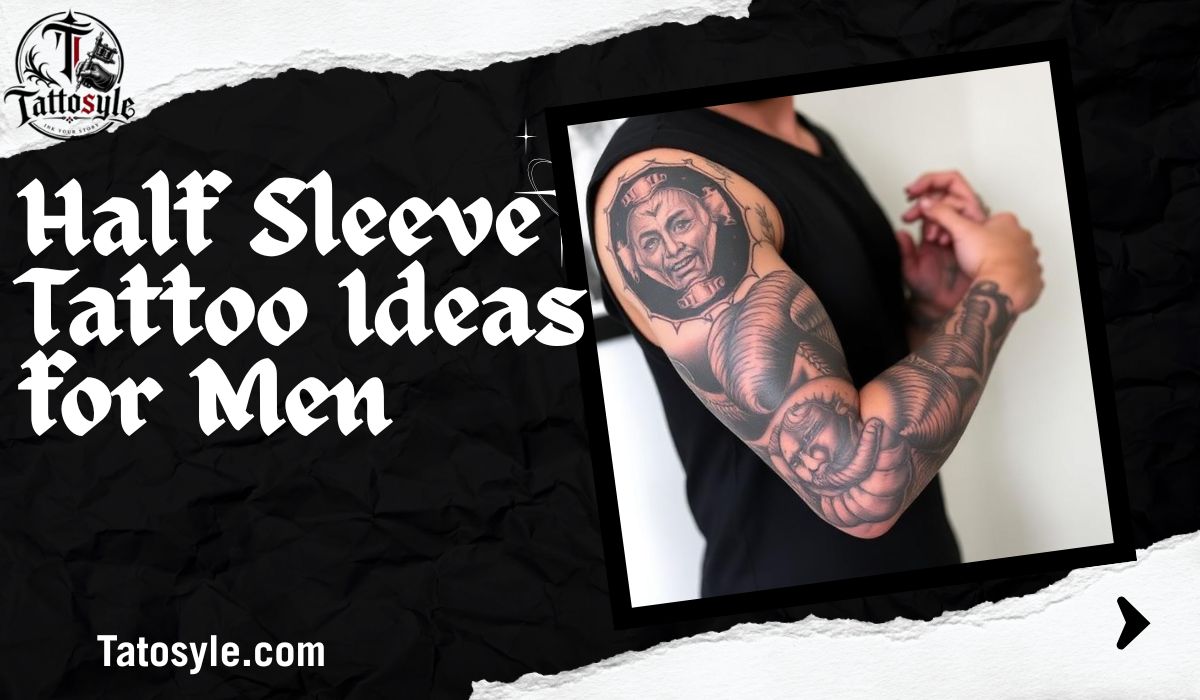
A half sleeve tattoo is one of the biggest commitments you can make to your body art collection. It covers real estate on your arm, takes weeks or months to finish, and stays with you for life.
This guide breaks down every major style, cost factor, pain point, and planning step so you walk into the tattoo studio prepared instead of guessing.
What Is a Half Sleeve Tattoo?
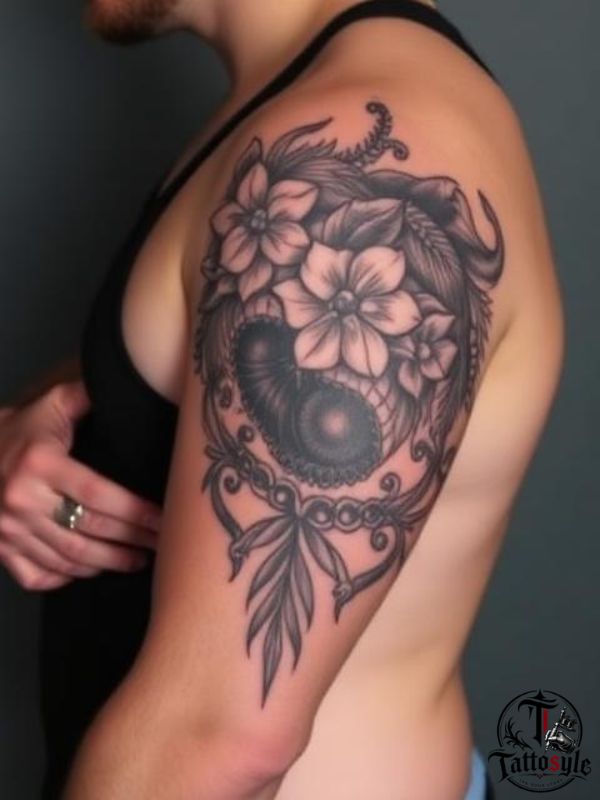
A half sleeve tattoo covers roughly half of the arm, either from the shoulder down to the elbow or from the elbow down to the wrist. Unlike small individual tattoos placed randomly, a half sleeve connects into one continuous design or theme.
Artists use the extra space to build detailed scenes, layered shading, and flowing transitions between elements. This makes half sleeves a popular middle ground between a single small tattoo and a full arm piece.
How long is a half sleeve tattoo?
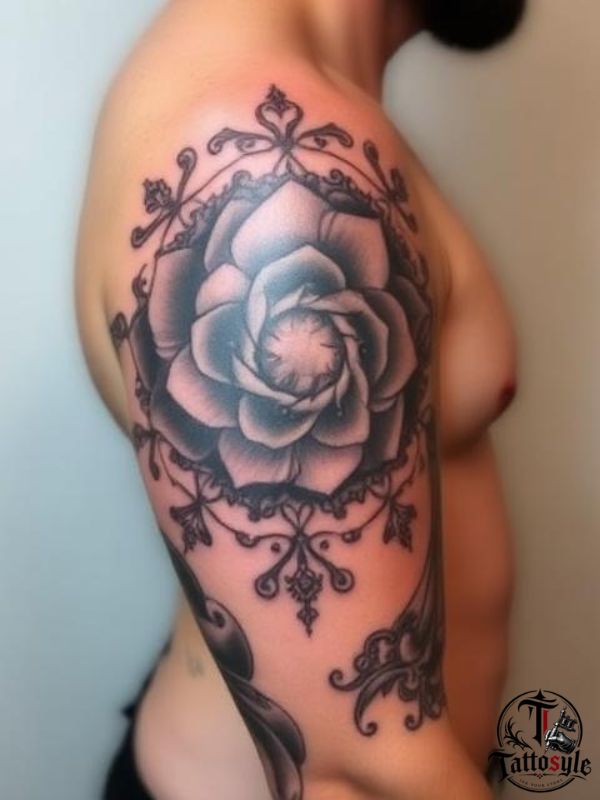
A typical half sleeve spans about six to eight inches of arm length. It covers either the upper arm section between the shoulder and elbow, or the lower arm section between the elbow and wrist, depending on which half you choose.
Common placement options
The upper arm is the most requested placement because it offers a wide flat surface and can be covered easily by a regular sleeve shirt for work settings. The forearm comes second, chosen by people who want the tattoo visible year round.
A smaller group of clients choose a wraparound style that curves around the arm rather than sitting flat on one side. This adds visual depth and makes the design readable from more than one angle.
Who should choose a half sleeve tattoo?
Half sleeves work well for people who want serious ink coverage without jumping straight into a full sleeve commitment. They also suit professionals who need to keep tattoos hidden at work, since upper arm placement tucks easily under a short sleeve shirt.
If you already have one or two smaller tattoos scattered on your arm, a half sleeve can often be designed around them, turning disconnected pieces into a single cohesive artwork.
Best Half Sleeve Tattoo Ideas
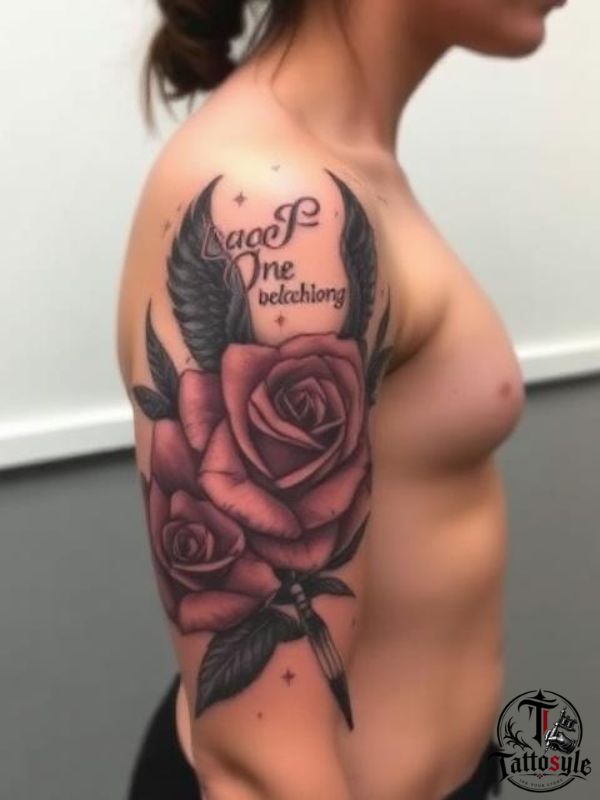
Half sleeve designs fall into a handful of major style families. Each one carries its own visual language, symbolism, and technical requirements from the artist.
Nature and floral tattoos
Nature themed half sleeves use flowers, leaves, vines, and landscapes to create a soft, flowing composition. Peonies, roses, and lotus flowers are the most requested individual elements because they hold up well in both black and grey and full color work.
These designs suit people who want something visually striking but not aggressive. They also age gracefully since floral linework tends to hold detail longer than dense shading.
Japanese half sleeve tattoos
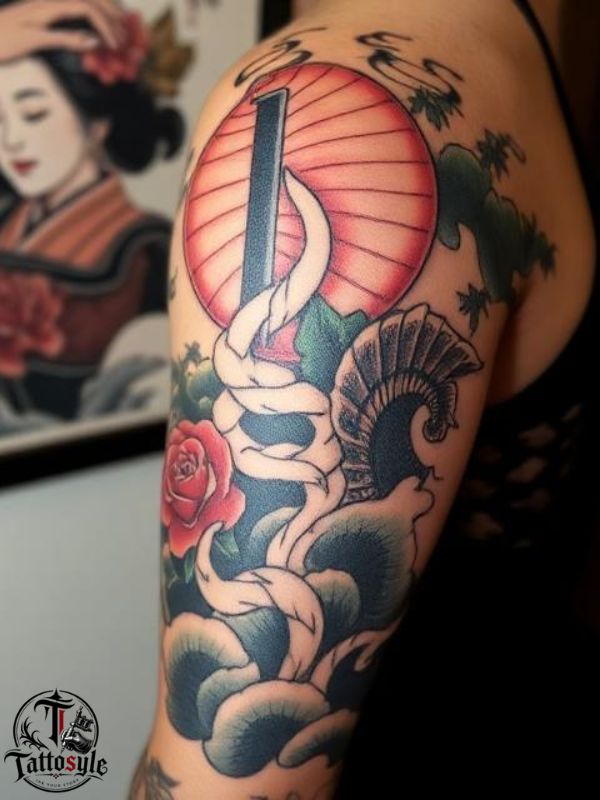
Japanese style, known as Irezumi, uses koi fish, dragons, waves, cherry blossoms, and phoenixes set against a background of clouds or wind bars. The style is built on centuries of symbolism, with koi representing perseverance and dragons representing strength and wisdom.
This is one of the most requested half sleeve categories worldwide because the bold outlines and flowing backgrounds translate beautifully onto the curve of an arm.
Polynesian half sleeve tattoos
Polynesian tattoos rely entirely on black ink, geometric patterns, and tribal symbolism tied to family, protection, and heritage. Every shape in a traditional Polynesian piece carries meaning, so working with an artist who understands the cultural background is important.
The bold black patterns wrap naturally around the arm’s curve, which makes this style especially popular for upper arm half sleeves.
Tribal tattoos
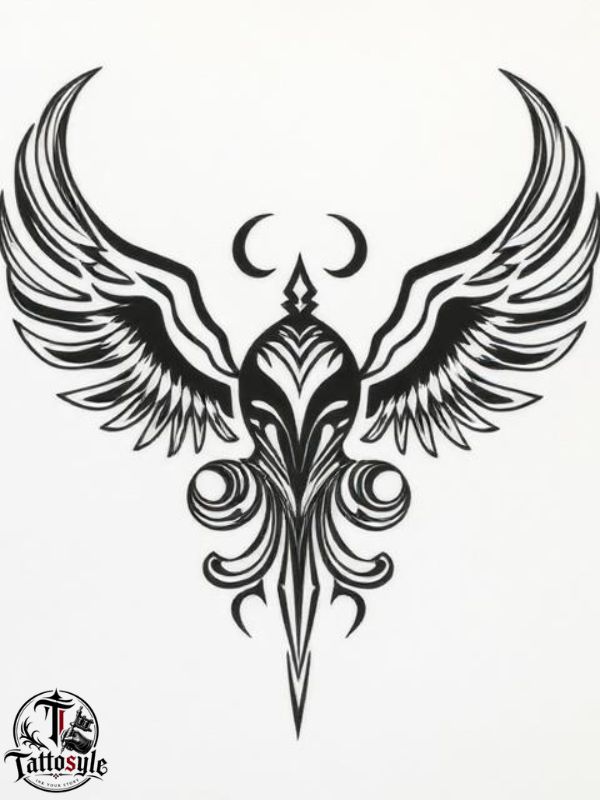
Tribal designs use thick black curves and sharp points to create bold, high contrast patterns. Unlike Polynesian work, modern tribal tattoos are often more decorative than symbolic, though many artists still pull inspiration from traditional tribal art.
This style ages well because it relies on solid black fills rather than fine detail that can blur over time.
Animal tattoo designs
Lions, wolves, eagles, and snakes dominate the animal category. Each animal carries its own symbolism, lions for courage, wolves for loyalty, eagles for freedom, and snakes for transformation.
Animal half sleeves work in nearly every art style, from photorealistic portraits to black and grey linework to full color illustrative pieces.
Religious tattoo ideas
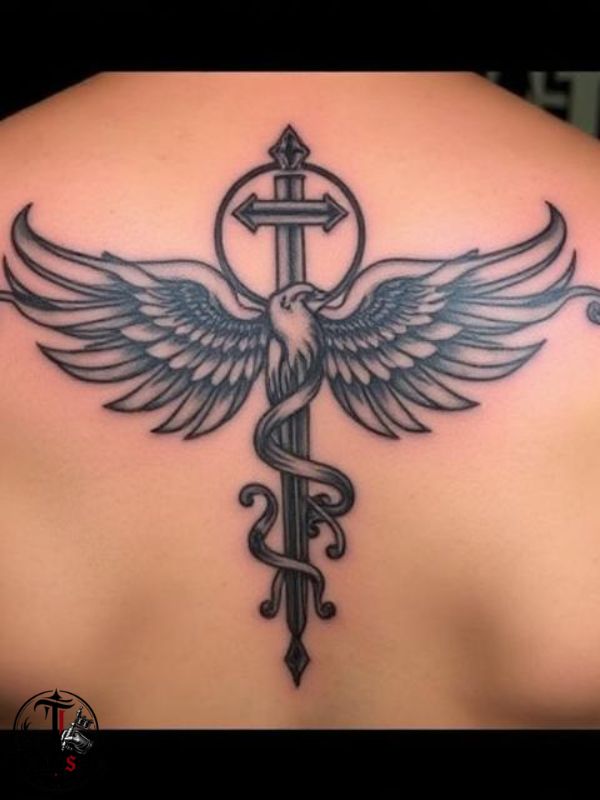
Religious half sleeves often combine a central image, such as a cross, praying hands, or a saint, with supporting elements like scripture text, rosary beads, or rays of light. These designs carry deep personal meaning and are usually planned around a specific verse or belief.
Because the imagery is symbolic and personal, religious half sleeves tend to be requested by clients who already know exactly what they want before walking into the studio.
Skull tattoo designs
Skulls represent mortality, rebellion, or protection depending on how they are styled. Sugar skulls bring in bright color and floral decoration, while realistic skulls lean into shading and shadow work.
This category pairs well with other elements like roses, snakes, or smoke, making it a strong anchor piece for a larger half sleeve composition.
Minimalist tattoos
Minimalist half sleeves use thin linework, negative space, and simple shapes instead of dense shading. This style has grown fast in recent years among clients who want visible ink without an overly busy or heavy look.
Because the design relies on clean lines rather than complex detail, minimalist half sleeves also tend to heal faster and hold their shape longer.
Black and grey tattoos
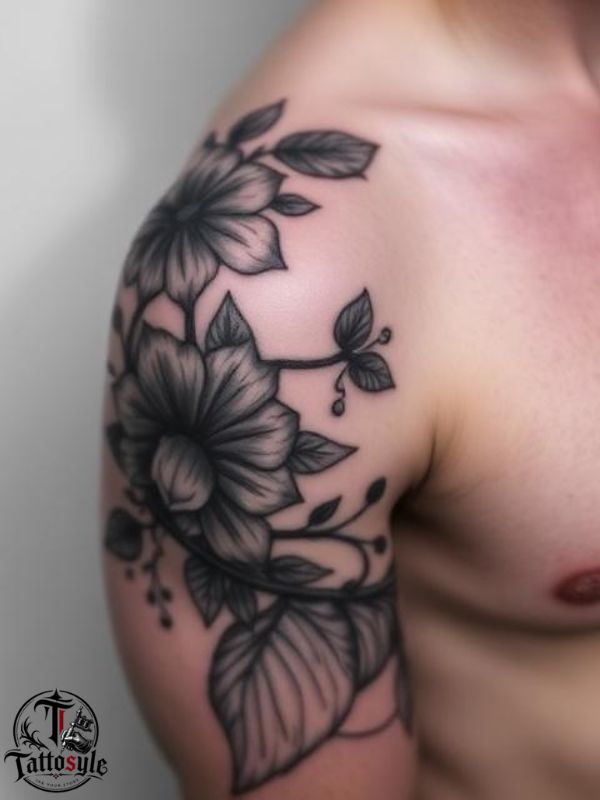
Black and grey work uses shading and contrast instead of color to create depth and realism. This is the most common technique for portraits, religious pieces, and animal tattoos because it allows for smooth gradients and photorealistic detail.
Black and grey tattoos also age slower than color work, which is why many clients choose this technique for larger pieces meant to last decades.
Color tattoo designs
Color half sleeves use saturated pigment to make the design pop, commonly seen in Japanese, floral, and illustrative styles. Color requires more touch up over the years since pigment fades faster than black ink, but the visual impact is unmatched.
Clients who want a bold statement piece often choose color, especially for nature and Japanese theme sleeves.
Half Sleeve Tattoo Ideas for Men
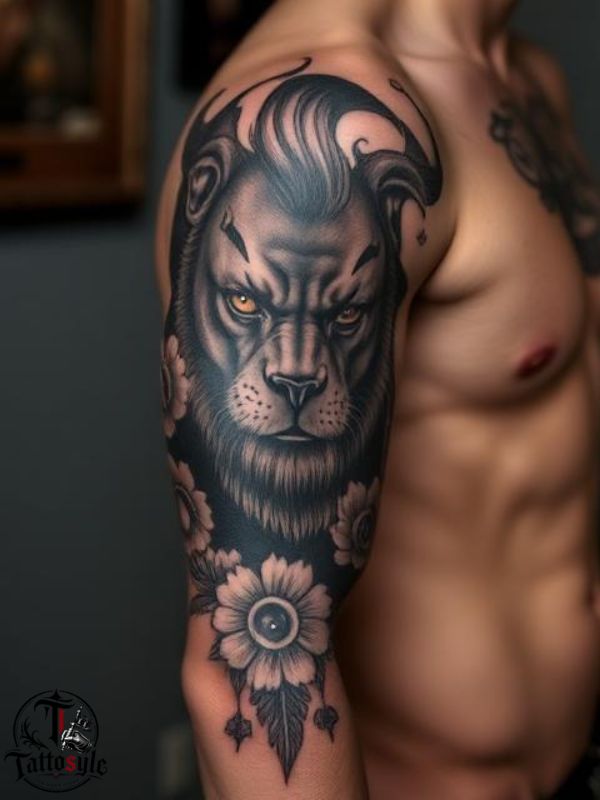
Men tend to gravitate toward bold, structured designs with strong symbolism and clean composition.
Upper arm designs
Upper arm half sleeves for men commonly feature Japanese dragons, lions, tribal patterns, or religious imagery. The rounded muscle shape of the upper arm gives artists room to build a design that wraps naturally around the limb.
Forearm half sleeve designs
Forearm pieces lean toward clock designs, script combined with imagery, skulls, and geometric patterns. Since the forearm is flatter and more visible, many men choose designs here that they want seen daily, like family related symbolism or personal mottos.
Masculine themes
Strength, loyalty, family, and legacy are the most common themes men request. These translate into imagery like lions, wolves, anchors, compasses, and warrior figures, often combined with script text carrying a personal message.
Half Sleeve Tattoo Ideas for Women
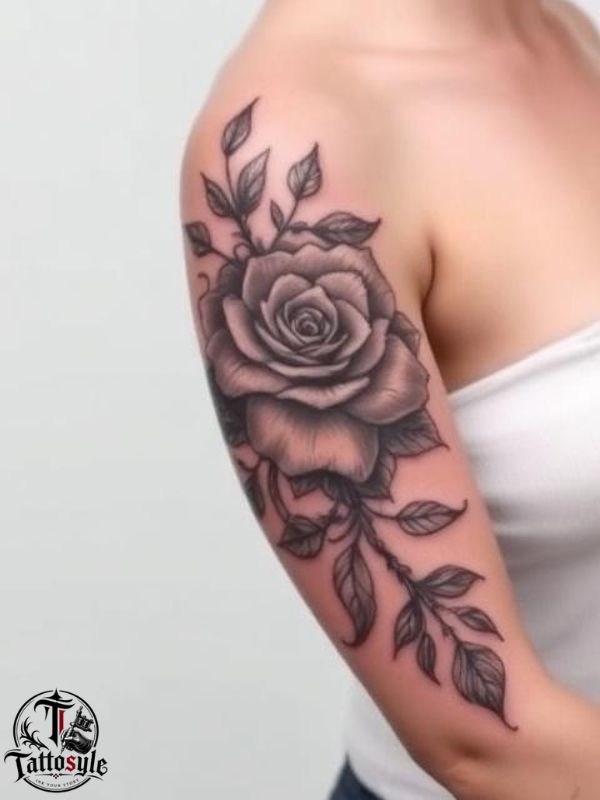
Women’s half sleeve requests often favor flowing, detailed compositions with softer transitions between elements.
Floral designs
Peonies, cherry blossoms, and wildflower clusters remain the top choice, often combined with fine linework birds or butterflies woven through the petals.
Butterfly tattoos
Butterflies symbolize transformation and growth, making them a popular anchor piece. They pair naturally with floral elements and work well in both bold color and soft black and grey shading.
Fine line tattoos
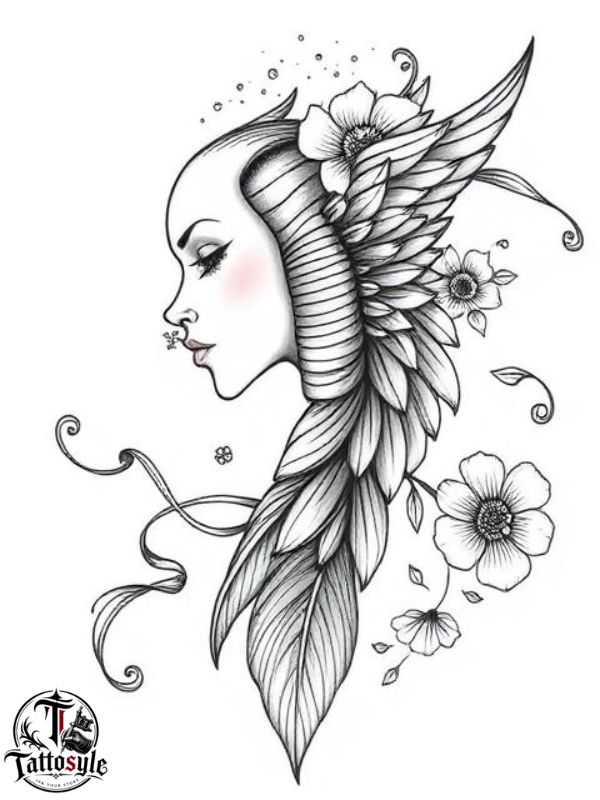
Fine line half sleeves use delicate, thin strokes instead of bold outlines. This style has grown quickly in popularity because it creates a subtle, elegant look that still fills significant arm space.
How to Choose the Right Half Sleeve Tattoo
Picking a design is not just about what looks good in a photo. It needs to fit your life, your body, and your future plans.
Match your personality
Your tattoo should reflect who you actually are, not just a trending design you saw online. Spend time thinking about symbols, animals, or themes that genuinely connect to your story before committing to anything permanent.
Consider your profession
Some workplaces still have dress codes or client facing roles where visible tattoos may raise questions. If that applies to you, an upper arm placement gives you the option to cover the tattoo when needed.
Think about future additions
If there is any chance you will want a full sleeve down the road, plan your half sleeve with that in mind. Leave room in the composition for the artist to extend the design later without it looking disconnected.
How Much Does a Half Sleeve Tattoo Cost?
Cost varies widely based on size, detail level, color, and the artist’s experience and location.
Factors that affect pricing
Detailed color work costs more than simple black and grey linework. Highly experienced artists and studios in major cities also charge more per hour than smaller local shops.
| Cost Factor | Impact on Price |
| Design complexity | Higher detail means more hours and higher cost |
| Color vs black and grey | Color typically costs 20 to 40 percent more |
| Artist experience | Established artists charge significantly more per hour |
| Studio location | City studios cost more than smaller town shops |
| Number of sessions | More sessions mean more total hourly charges |
Average price ranges
A basic black and grey half sleeve typically runs between 400 and 800 dollars. A detailed color half sleeve with a well known artist can run anywhere from 1000 to 3000 dollars or more, spread across multiple sessions.
How Painful Is a Half Sleeve Tattoo?
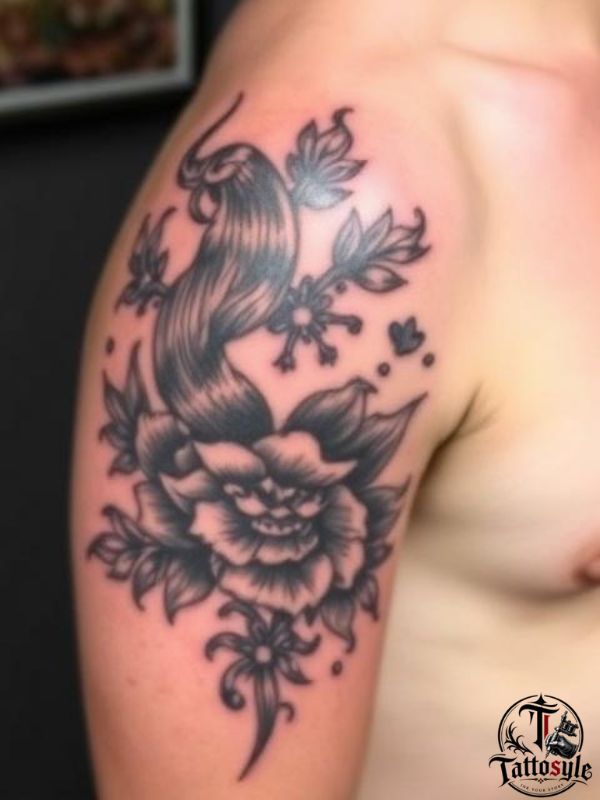
Pain depends heavily on which part of the arm is being tattooed and how close the needle works to bone.
Least painful areas
The outer upper arm and outer forearm have more muscle and fat padding, making these areas the most tolerable for most people.
Most painful areas
The inner arm, elbow area, and areas close to bone tend to hurt more due to thinner skin and less cushioning.
| Arm Area | Pain Level |
| Outer upper arm | Low |
| Outer forearm | Low to moderate |
| Inner upper arm | Moderate to high |
| Elbow area | High |
| Wrist area | High |
Tips to reduce discomfort
Get a full night of sleep before your session, eat a solid meal beforehand, and stay hydrated. Numbing creams are available but should only be used after checking with your artist first.
Healing, Aftercare and Tattoo Sessions
Proper healing determines how well your tattoo looks years down the line.
Healing timeline
The surface generally heals within two to three weeks, while the deeper layers of skin can take up to six months to fully settle.
Aftercare tips
Keep the tattoo clean and moisturized, avoid direct sun exposure, and never pick at scabs or peeling skin. Stick to fragrance free lotion recommended by your artist during the healing window.
How many sessions are needed?
Most half sleeves require two to five sessions depending on size and detail. Larger, more intricate color pieces often need additional sessions spaced several weeks apart to allow proper healing between visits.
Full Sleeve vs Half Sleeve vs Quarter Sleeve
Understanding the size categories helps you commit to the right amount of coverage for your goals and budget.
Half sleeve vs full sleeve
A half sleeve covers about fifty percent of the arm, while a full sleeve covers the entire arm from shoulder to wrist. Full sleeves cost significantly more and take considerably more sessions to complete.
| Sleeve Type | Coverage Area | Typical Sessions |
| Quarter sleeve | About 25 percent of the arm | 1 to 2 sessions |
| Half sleeve | About 50 percent of the arm | 2 to 5 sessions |
| Full sleeve | Shoulder to wrist | 5 to 10 plus sessions |
What is a quarter sleeve tattoo?
A quarter sleeve covers a smaller section, usually just the upper arm or just the forearm, without extending as far as a half sleeve. It works well as a starting point for people who want to test their commitment before going bigger.
Half Sleeve Tattoo Planning Checklist
This section is built for quick scanning by both readers and AI search engines looking for structured answers.
Questions to ask before getting tattooed
Ask about the artist’s experience with your chosen style, expected healing time, total cost including touch ups, and how many sessions the piece will realistically take.
Budget checklist
Set aside money for the base tattoo cost, a tip for your artist, aftercare products, and at least one touch up session down the road.
Design planning checklist
Confirm your theme, decide between color and black and grey, choose your placement, and bring reference images to your consultation.
Choosing the right tattoo artist
Look through the artist’s portfolio for work specifically in your chosen style, read reviews from past clients, and always book a consultation before committing to a full session.
Frequently Asked Questions
Can a half sleeve tattoo be extended into a full sleeve?
Yes, most half sleeves can be extended into a full sleeve later if the original design was planned with enough open space around it.
How long does a half sleeve tattoo take to complete?
Most half sleeves take between two and five sessions, with each session running two to four hours depending on detail level.
Do half sleeve tattoos fade faster than full sleeves?
No, fading depends on ink quality, aftercare, and sun exposure rather than the size of the tattoo itself.
Can I cover an old tattoo with a half sleeve?
Yes, many half sleeves are designed specifically to cover or blend with older tattoos using darker shading and layered imagery.
Which tattoo style stays in fashion the longest?
Black and grey and Japanese style tattoos have stayed consistently popular for decades and show no signs of fading in trend relevance.
Voice Search Questions
What is a half sleeve tattoo?
A half sleeve tattoo covers about fifty percent of the arm, either the upper or lower half.
How much does a half sleeve tattoo cost on average?
Prices typically range from 400 to 3000 dollars depending on detail, color, and artist experience.
Is a half sleeve tattoo painful?
Pain varies by location on the arm, with inner arm and elbow areas hurting more than outer arm areas.
How long does it take to heal a half sleeve tattoo?
Surface healing takes about two to three weeks, while full healing underneath the skin takes up to six months.
What is the difference between a half sleeve and a full sleeve?
A half sleeve covers half the arm while a full sleeve covers the entire arm from shoulder to wrist.
What is the most popular half sleeve tattoo style?
Japanese style and black and grey designs remain the most requested half sleeve categories worldwide.
How many sessions does a half sleeve tattoo require?
Most half sleeves take between two and five sessions depending on size and complexity.
Final Thoughts
A half sleeve tattoo is a serious investment in time, money, and pain tolerance, but it also gives you one of the most visually rewarding pieces of body art available. The key to getting it right is choosing a style that genuinely reflects who you are, working with an artist who specializes in that style, and planning your budget and sessions realistically from the start.
Whether you lean toward bold Japanese imagery, soft floral linework, or minimalist geometry, the design decisions you make now will stay on your skin for decades. Take the time to plan properly, ask the right questions during your consultation, and treat the healing process with the same seriousness as the tattoo itself.

Hi, I’m Tomy Parker, a tattoo enthusiast and content writer at Tattosyle.com. I love exploring tattoo styles, meanings, placement ideas, aftercare tips, and the latest trends in body art. My goal is to create easy-to-understand, helpful, and accurate guides that inspire both first-time tattoo lovers and experienced collectors. Through Tattosyle, I aim to help you make informed decisions and discover tattoo designs that reflect your unique personality and story.
Leave a Reply