
Quick Answer
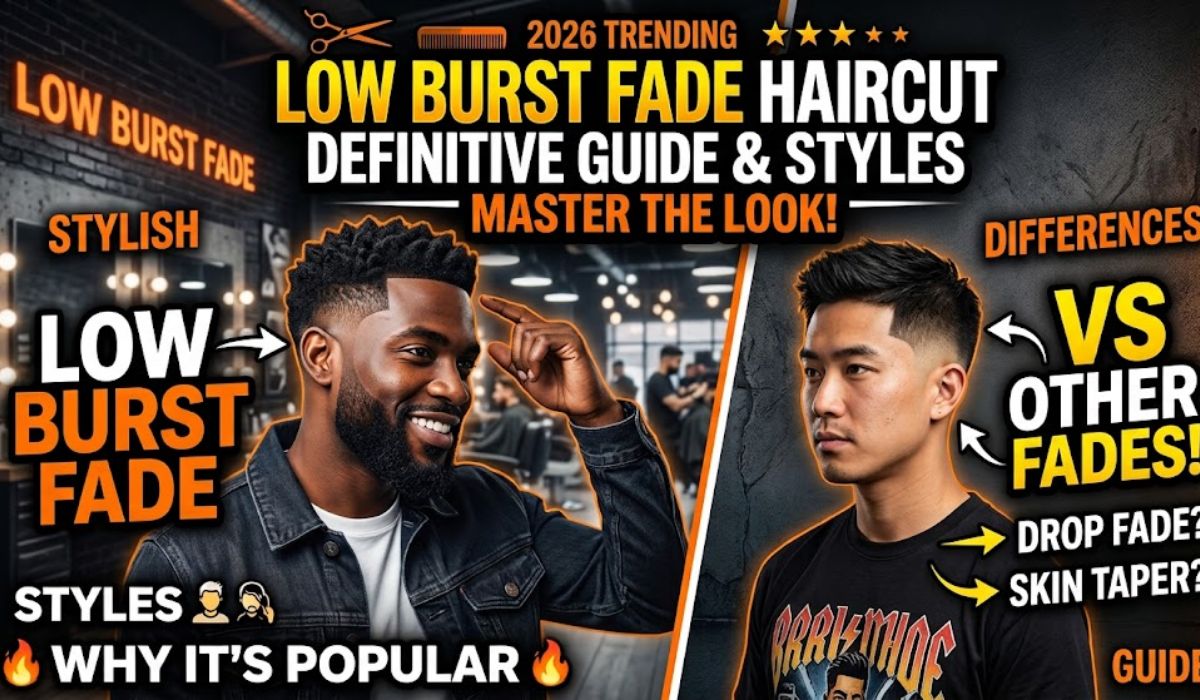
A low burst fade haircut is a fade that sits relatively low around the ear and follows a curved or rounded shape instead of fading evenly across the entire side. The word low describes the fade placement, while burst describes the curved shape around the ear. The style can be paired with curly, wavy, straight or textured hair and can be finished with different amounts of length on top and in the back.
TL;DR
- A low burst fade keeps the fade low while creating a curved shape around the ear.
- It differs from a traditional low fade because the fade is concentrated around the ear rather than following a more continuous side transition.
- You can combine it with curls, waves, straight hair, textured crops, short styles, mullets and other longer top styles.
- The final appearance depends on fade height, shortest length, top length, back length, neckline and hair texture.
- When visiting a barber, show a clear reference photo and explain how much length you want on top and behind the ear.
If you have seen a burst fade online and are trying to work out exactly what to ask your barber for, the biggest point to understand is simple: a low burst fade is defined by both its low placement and its curved shape around the ear. That distinction makes it easier to compare the style with a low fade or low taper and choose a version that matches your hair.
What Is a Low Burst Fade Haircut?
A low burst fade is a haircut in which the faded section sits low around the ear and curves outward in a rounded or semicircular pattern. The fade creates a burst effect around the ear while allowing more hair to remain above, behind or toward the center of the head.
The two parts of the name describe different things:
- Low refers to where the fade is positioned.
- Burst refers to the curved shape of the fade around the ear.
This is why a low burst fade should not be confused with simply asking for a low fade. A conventional low fade generally creates a more continuous transition along the sides and back, while a burst fade places greater emphasis on the curved area around the ear.
There is not one universal measurement that defines exactly where every barber must place a low burst fade. Head shape, hair density, desired style and the barber’s interpretation can all affect the precise placement. A reference image is therefore more useful than relying on the haircut name alone.
What Does a Low Burst Fade Look Like?
The easiest way to recognize a low burst fade is to look at the side profile. Instead of seeing the fade travel evenly upward across the side, you can see a curved transition that follows the area surrounding the ear.
The result can be subtle or dramatic depending on how short the fade becomes and how much contrast is left between the faded section and the hair above it.
The Side Profile
The side profile usually shows the defining feature most clearly. Hair around the ear becomes progressively shorter while the fade follows a curved shape. The top can remain relatively long, textured, curly or styled according to personal preference.
The Back and Neckline
The amount of hair retained toward the back can change the character of the haircut considerably. A shorter back creates a cleaner appearance, while additional length can create a stronger connection with styles such as a mullet or textured longer back.
The neckline is another separate decision. A low burst fade does not automatically determine whether the neckline should be natural, tapered or more defined.
Low Burst Fade vs Low Fade vs Low Taper
These three haircuts can look similar in photographs, especially when the fade is subtle. The easiest way to understand them is to focus on where the transition occurs and what shape it follows.
| Haircut | Main characteristic | Visual emphasis |
|---|---|---|
| Low burst fade | Low fade with a curved shape around the ear | Ear and side profile |
| Low fade | Low conventional fade through the sides and back | Overall side and back transition |
| Low taper | Gradual reduction around the edges | Sideburns and neckline |
Low Burst Fade vs Low Fade
The main difference is the shape. A low fade creates a more conventional transition along the side, while a low burst fade creates a curved transition concentrated around the ear.
If you want a more noticeable rounded shape around the ear while keeping the fade relatively low, the burst version is the more specific request.
Low Burst Fade vs Low Taper
A low taper generally focuses on gradually reducing the hair around the sideburns and neckline. A low burst fade creates a more visible faded area around the ear.
If you want only the edges cleaned up while keeping substantial density on the sides, a taper may be closer to what you want. If you want the curved fade around the ear to be a noticeable part of the haircut, a burst fade is more appropriate.
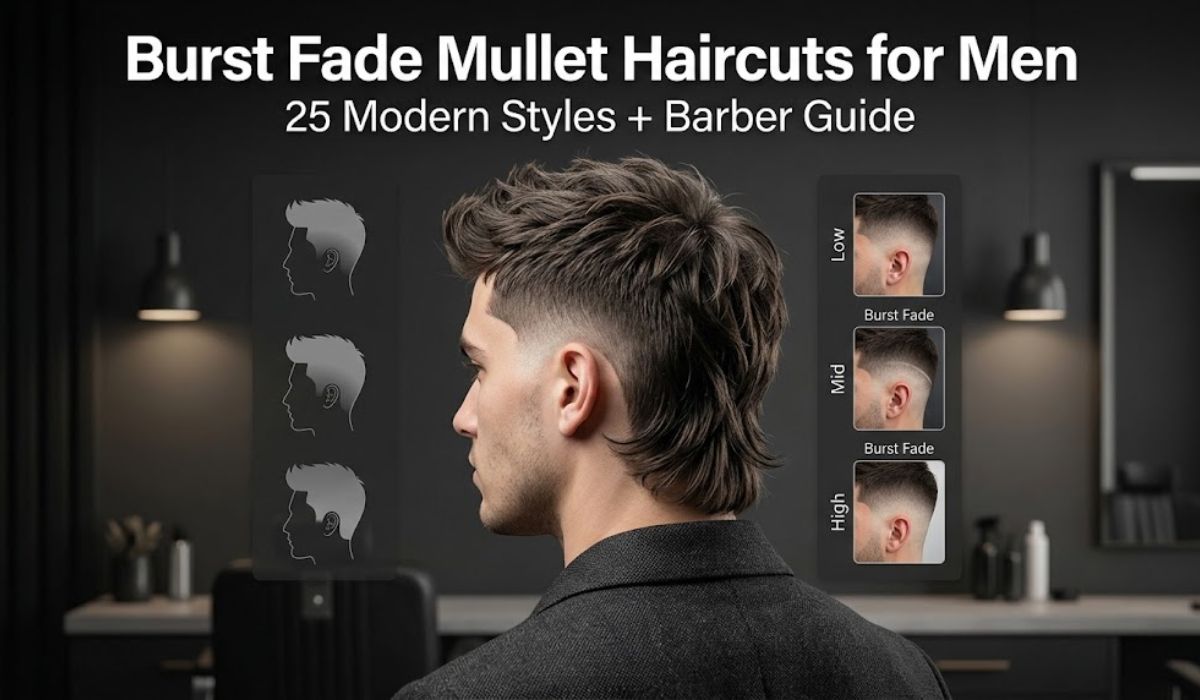
Low vs Mid vs High Burst Fade
| Version | Placement | Overall effect |
|---|---|---|
| Low burst fade | Lower around the ear | Subtle and balanced |
| Mid burst fade | Higher around the side | More visible contrast |
| High burst fade | Higher toward the upper side | Stronger and more dramatic |
The exact boundaries can vary between barbers and head shapes, so these categories are best understood as relative placement rather than fixed measurements.
Best Low Burst Fade Styles
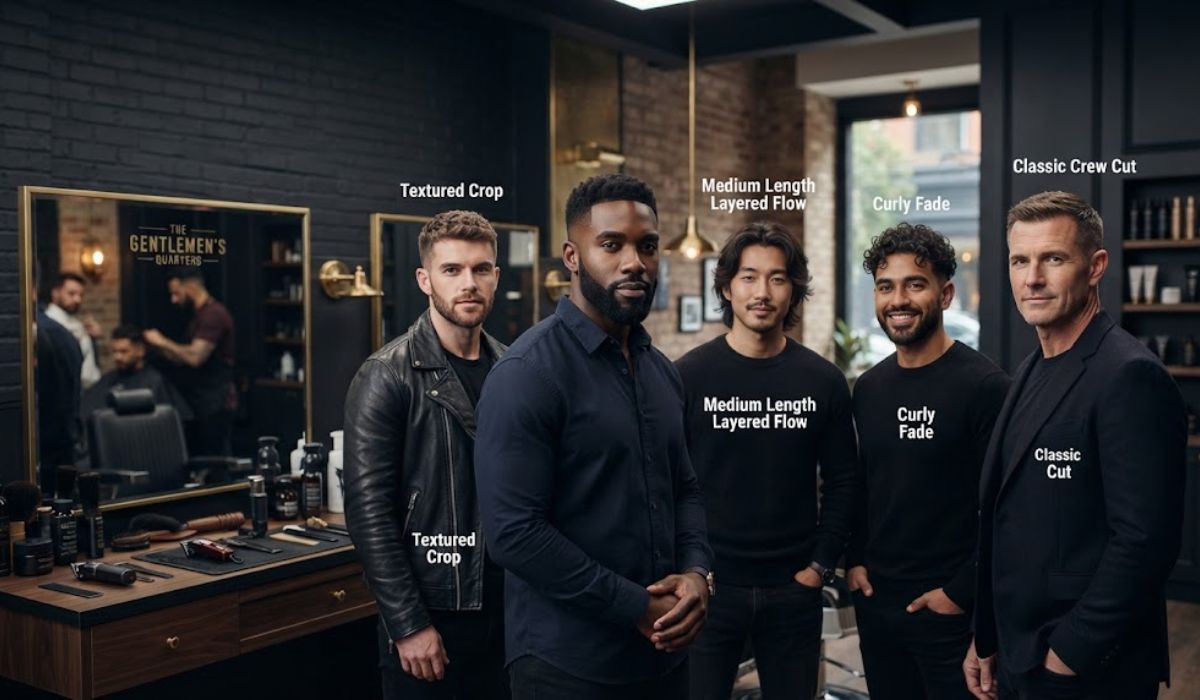
The low burst fade is more of a fade structure than one single finished hairstyle. You can change the top, back, texture and neckline while keeping the low burst shape around the ear.
Classic Low Burst Fade
A classic version keeps the top relatively neat and leaves enough length above the fade to create a clean contrast. This is a good choice if you want the burst detail to be visible without making the entire haircut highly dramatic.
Low Burst Fade With Curly Hair
Curly hair can make the transition around the ear especially noticeable because the textured top contrasts naturally with the shorter faded section.
Instead of removing too much texture from the top, ask the barber to preserve the curl pattern and shape the fade around it. The amount of length retained should depend on how much curl definition and volume you want.
Low Burst Fade With Wavy Hair
Wavy hair gives the haircut a softer appearance because the top has natural movement. Keeping some length on top can allow the waves to remain visible while the low burst creates definition around the ear.
Low Burst Fade With Straight Hair
Straight hair makes the fade transition easy to see, particularly when the top has a textured crop, fringe or another defined shape.
Because straight hair does not naturally provide the same volume as curls, the top can be cut or styled to create additional texture if desired.
Low Burst Fade With a Textured Top
A textured top creates contrast between the organized fade and the more relaxed appearance of the hair above it. This works particularly well when you want a modern haircut without committing to a long back.
Low Burst Fade Mullet
A low burst fade can also be combined with a longer back. In that combination, the fade creates a curved transition around the ear while the additional length behind the head creates the mullet silhouette.
The important point is that a low burst fade does not automatically mean a mullet. The mullet appearance comes from the length and shape retained toward the back.
Low Burst Fade With a Short Crop
A short crop keeps the overall haircut compact while the burst fade adds definition around the ear. This can be a useful choice if you want the distinctive burst shape without keeping substantial length on top or in the back.
Low Burst Fade With a Beard
A beard can be blended into the sideburn area, but the beard connection is a separate choice from the fade itself. Tell the barber whether you want a strong blend, a softer transition or a clearly separated beard.
Which Low Burst Fade Is Right for Your Hair?
The best version depends less on a universal face shape rule and more on your hair texture, density, preferred length and desired level of contrast.
| Hair type | Useful approach |
|---|---|
| Straight | Use texture or a defined top shape if you want more visual movement. |
| Wavy | Keep enough length for the natural wave pattern to remain visible. |
| Curly | Preserve the curl pattern and use the fade to create contrast around the ear. |
| Coily or highly textured | Maintain the natural texture while shaping the fade around the ear and neckline. |
If You Want a Subtle Look
Keep the fade low and avoid excessive contrast. A shadow or slightly longer finish can make the transition less dramatic than a very short skin finish.
If You Want More Contrast
A shorter fade can make the curved burst area stand out more strongly against the hair above it. The top and back can then be kept longer to increase the contrast further.
If You Want a Longer Back
Tell the barber clearly that you want to retain length behind the ear and toward the back. This matters particularly when combining the low burst fade with a mullet or another longer style.
Skin or Shadow Low Burst Fade?
The shortest part of the fade is another important decision.
Skin Finish
A skin or bald finish removes almost all visible hair from the shortest portion of the fade. It creates stronger contrast and makes the fade more noticeable.
Shadow Finish
A shadow finish leaves a small amount of visible hair in the shortest area. The result is generally softer and less stark than a skin finish.
Neither option is automatically better. Choose the finish according to how much contrast and maintenance you want.
How to Ask Your Barber for a Low Burst Fade
Saying only “Give me a low burst fade” may not communicate everything you want. The haircut name identifies the basic fade pattern, but it does not specify the top length, back length, neckline or shortest finish.
A better barber consultation covers these details:
- Start with the main haircut: Tell the barber you want a low burst fade.
- Show the desired height: Use a reference photo to demonstrate how low you want the curved fade.
- Choose the shortest finish: Explain whether you want skin, shadow or more visible hair at the shortest point.
- Explain the top: Say how much length you want and whether you want curls, texture, a crop, fringe or another shape.
- Explain the back: Be clear if you want the back short, natural or longer.
- Discuss the neckline: Tell the barber if you prefer a natural or more defined finish.
- Mention the beard: If you have facial hair, explain how you want the sideburn and beard area connected.
Why a Reference Photo Matters
Haircut terminology can vary between barbers. A photograph communicates the visual result more precisely than a haircut name alone.
Ideally, choose a reference that clearly shows the side profile and, if possible, the back. A photo that hides the ear, neckline or back length may leave important details open to interpretation.
A Simple Barber Request
You can use a request like this as a starting point:
“I want a low burst fade that stays low around the ear. Keep the top at this length, leave the back this length, and make the shortest part a shadow finish. I want the neckline to stay natural.”
Then show the barber your reference photo. Adjust the wording according to the exact look you want.
How Short Should a Low Burst Fade Be?
There is no single correct shortest length for every low burst fade. The choice depends on the amount of contrast you want and how quickly you want the haircut to appear less freshly cut.
| Finish | Appearance | Best for |
|---|---|---|
| Skin | Very high contrast | A sharper, more noticeable fade |
| Shadow | Soft contrast | A more understated appearance |
| Longer shortest area | Less dramatic transition | A softer and more natural result |
Your barber can recommend the practical finish based on your hair density and the appearance you are trying to achieve.
How Often Should You Maintain a Low Burst Fade?
Maintenance depends on how quickly your hair grows and how sharp you want the fade to remain. Some grooming guides suggest touch ups roughly every two to four weeks, but that is a practical range rather than a universal rule.
If you want the fade to remain extremely crisp, you may prefer more frequent cleanups. If you are comfortable with a softer appearance as the hair grows, you can wait longer.
What Happens as It Grows Out?
The contrast between the shortest section and the surrounding hair gradually becomes less pronounced. The curved shape remains part of the haircut, but its definition becomes softer.
This is another reason to decide how dramatic you want the original fade to be. A very high contrast finish may look substantially different once the shortest area begins growing out.
Is a Low Burst Fade Professional?
A low burst fade can be adapted to look relatively subtle or highly expressive. A conservative version with a low placement, moderate contrast and neat top can create a very different impression from a skin burst combined with a long mullet.
If you need a haircut for school or a workplace with conservative grooming expectations, consider keeping the fade lower and the overall shape cleaner. The specific rules of a workplace or school still matter more than the haircut name.
Common Low Burst Fade Mistakes
Choosing a Reference That Hides the Side
If the photograph does not clearly show the area around the ear, the most important part of a burst fade is difficult to judge. Choose an image with a clear side profile.
Assuming “Low” Means an Exact Measurement
The term describes relative placement, not one universal measurement that every barber uses identically. Head shape and the intended hairstyle can influence the final position.
Ignoring the Back Length
The amount of hair retained in the back can dramatically change the finished haircut. If you want a mullet or longer back, communicate that before the cutting begins.
Focusing Only on the Fade
The fade is only part of the haircut. The top texture, top length, back length, neckline and beard connection all contribute to the final appearance.
Expecting the Reference Photo to Look Identical
A reference photo communicates the desired shape, but your hair texture, density, growth pattern and head shape may produce a different result. A skilled barber can adapt the design while preserving the main characteristics you want.
People Also Ask
What Is a Low Burst Fade Haircut?
A low burst fade is a fade positioned low around the ear that follows a curved or rounded shape. It combines low fade placement with the distinctive burst pattern around the ear.
What Is the Difference Between a Low Burst Fade and a Low Fade?
A low fade creates a more conventional transition along the sides and back, while a low burst fade concentrates the fade around the ear in a curved shape.
What Is the Difference Between a Low Burst Fade and a Low Taper?
A low taper mainly reduces hair gradually around the edges such as the sideburns and neckline. A low burst fade creates a more visible faded area that curves around the ear.
Is a Low Burst Fade Good for Curly Hair?
Yes. Curly hair can create strong contrast with the shorter area around the ear, while the curls remain visible on top. The barber should adapt the shape to the natural curl pattern rather than treating every curl type identically.
Does a Low Burst Fade Work With Straight Hair?
Yes. Straight hair can be paired with a low burst fade and shaped into a crop, fringe or textured top. Adding texture can create more movement when desired.
Can You Get a Low Burst Fade With a Mullet?
Yes. A low burst fade can be combined with a mullet by keeping additional length toward the back. The fade itself does not automatically make a haircut a mullet.
Does a Low Burst Fade Have to Go to the Skin?
No. A low burst fade can have a skin finish, shadow finish or a slightly longer shortest section. The choice determines how strong the contrast looks.
How Often Should You Get a Low Burst Fade?
Many people choose a cleanup roughly every two to four weeks, but the ideal schedule depends on hair growth and how sharp you want the fade to remain.
What Should I Tell My Barber for a Low Burst Fade?
Tell the barber you want a low burst fade, then specify the shortest finish, top length, back length and neckline. A clear side and back reference photo can communicate the desired shape more accurately.
What Is the Difference Between Low, Mid and High Burst Fades?
The main difference is the relative height of the burst fade. A low burst stays closer to the ear, while mid and high versions move the fade higher and generally create a more noticeable contrast.
Key Takeaways
- A low burst fade is defined by two things: low placement and a curved fade around the ear.
- It is not the same as a low fade or low taper. The shape and location of the transition are different.
- Your hair type matters. Straight, wavy, curly and coily hair can all be adapted to the style, but the top should be shaped around its natural characteristics.
- The back matters as much as the sides. Extra length can create a mullet or longer silhouette, while a shorter back creates a cleaner appearance.
- Tell your barber more than the haircut name. Specify fade height, shortest finish, top length, back length and neckline, and bring a useful reference photo.
- There is no universal exact measurement for a low burst fade. Placement can vary according to the barber, head shape and intended hairstyle.
The best low burst fade is not necessarily the most dramatic version. The better choice is the one that gives you the curved burst shape you want while matching your hair texture, preferred top and back length, desired contrast and maintenance routine.

Hi, I’m Tomy Parker, a tattoo enthusiast and content writer at Tattosyle.com. I love exploring tattoo styles, meanings, placement ideas, aftercare tips, and the latest trends in body art. My goal is to create easy-to-understand, helpful, and accurate guides that inspire both first-time tattoo lovers and experienced collectors. Through Tattosyle, I aim to help you make informed decisions and discover tattoo designs that reflect your unique personality and story.
Leave a Reply