
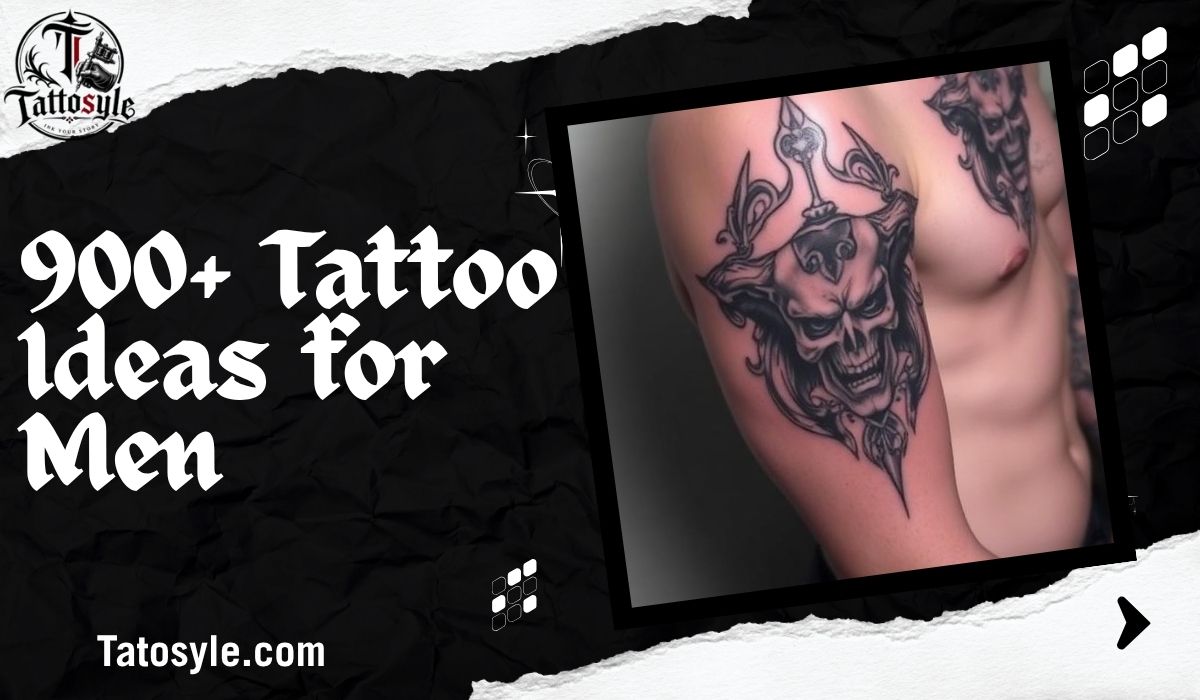
Choosing a tattoo is one of the few decisions a man makes that stays with him for life. It is not just ink under skin. It is a statement about who you are, what you value, and what you have lived through.
This guide pulls together over 900 tattoo concepts across every major style, placement, and meaning, so you walk into your next studio appointment with total clarity instead of a vague idea and a phone full of random screenshots.
Whether you want something bold on your chest or a quiet symbol on your wrist, the goal is the same. Find a design that still feels true to you ten years from now, not just today.
TL;DR
Small tattoos work best for subtle, meaningful statements on the wrist, forearm, or behind the ear.
Traditional, Japanese, and realism remain the most requested styles for men in 2026.
The forearm and upper arm offer the best mix of visibility, space, and manageable pain.
A tattoo with personal meaning ages better emotionally than one chosen purely for trend value.
Aftercare in the first two weeks determines how sharp your tattoo looks for decades.
Tattoo Ideas for Men: Your Guide to Ink With Character
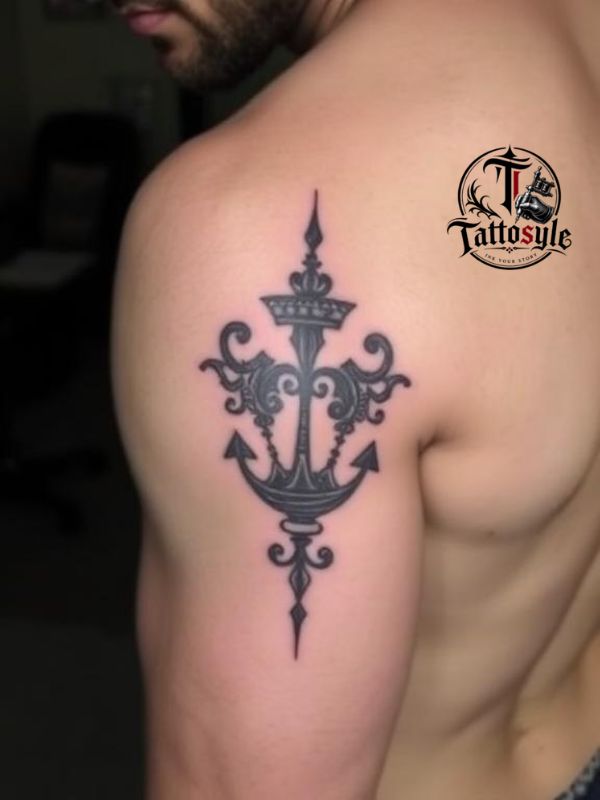
A great men’s tattoo does two things at once. It looks good on its own, and it says something true about the person wearing it. Men who regret a tattoo usually made the choice too fast, copied a design without understanding it, or picked something purely because it was trending that month.
The strongest approach is to treat your tattoo like a long term investment. Think about your lifestyle, your job, how your skin and body will change with age, and whether the design will still mean something to you decades later. A tattoo chosen with intention rarely becomes a regret.
What Makes a Strong Men’s Tattoo?
A strong tattoo has three qualities. Clean linework that will age well, a design that fits the natural shape of the body part it sits on, and a meaning or aesthetic that goes deeper than “it looked cool online.” Bold traditional pieces and fine line minimalist designs can both be strong choices as long as they follow these rules.
Scale matters as much as style. A highly detailed design squeezed into a tiny space will blur within a few years. A simple design given too much room can look empty. Matching complexity to size is one of the most overlooked parts of good tattoo planning.
Expert Tips for Your Next Project
Research your artist before you research your design. A skilled tattoo artist can elevate a simple concept, while a rushed choice of studio can ruin even the best idea. Look at healed photos of their work, not just fresh ink, since fresh tattoos always look sharp.
Bring reference images but stay open to your artist’s input on proportion and placement. They see how skin ages and stretches in ways you will not think about at twenty five. Finally, never book a tattoo appointment while emotional, whether that is heartbreak, grief, or a spontaneous night out. The best tattoos are planned, not impulsive.
Small Tattoo Ideas for Men With Meaning
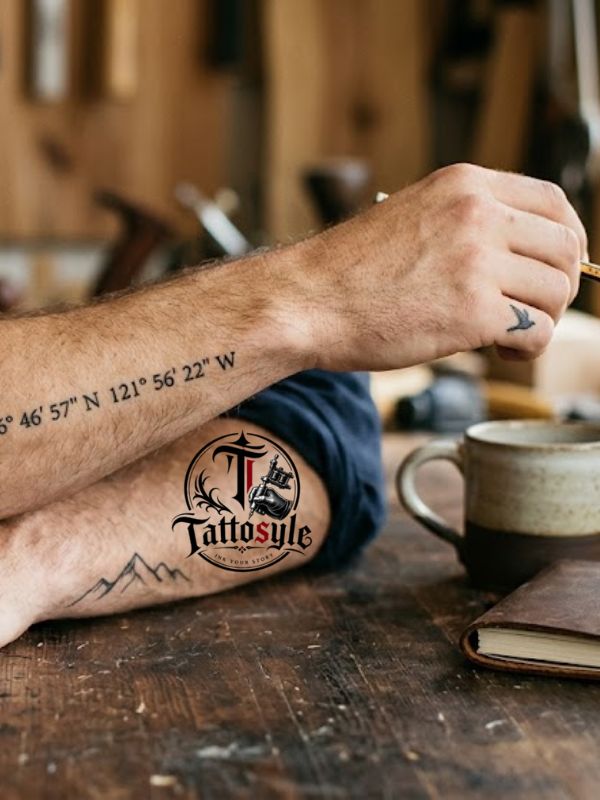
Small tattoos have become one of the most requested categories for men, especially first timers. They are discreet, less painful, faster to complete, and easier to plan around work dress codes. Despite their size, they can still carry serious personal weight.
Popular small tattoo concepts include a compass rose for direction and purpose, a single Roman numeral date marking a birth or milestone, a small anchor for stability, a minimalist mountain range for resilience, a semicolon for mental health awareness, initials of a loved one, a tiny cross for faith, a single arrow for moving forward despite setbacks, a small flame for transformation, and a fine line wolf outline for loyalty.
The key with small tattoos is simplicity. Avoid cramming heavy detail into a two inch space. Clean lines, minimal shading, and a single clear symbol will always outlast an overly complex design at small scale. Popular placement spots for small tattoos include the wrist, inner forearm, behind the ear, ribcage, and ankle.
Tattoo Ideas for Men: Hand Placements
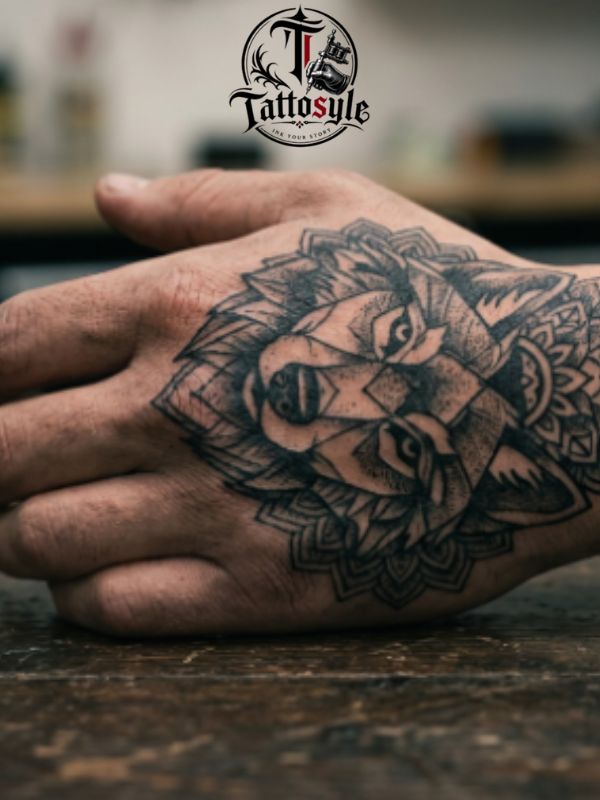
Hand tattoos are among the boldest choices a man can make because they are almost always visible. This visibility is exactly why they carry weight, both symbolically and socially. Popular hand tattoo ideas include knuckle tattoos with short words like “hold fast,” small symbols between the thumb and index finger, a single line design across the back of the hand, playing card suits, and tiny stars along the fingers.
Because the skin on the hands is thin and sees constant friction, hand tattoos fade faster than tattoos on almost any other body part. They also require regular touch ups. Before committing, think seriously about your career. Highly visible hand ink can limit certain professional paths, particularly in corporate, legal, and client facing industries.
Tattoo Ideas for Men: Arm Placements
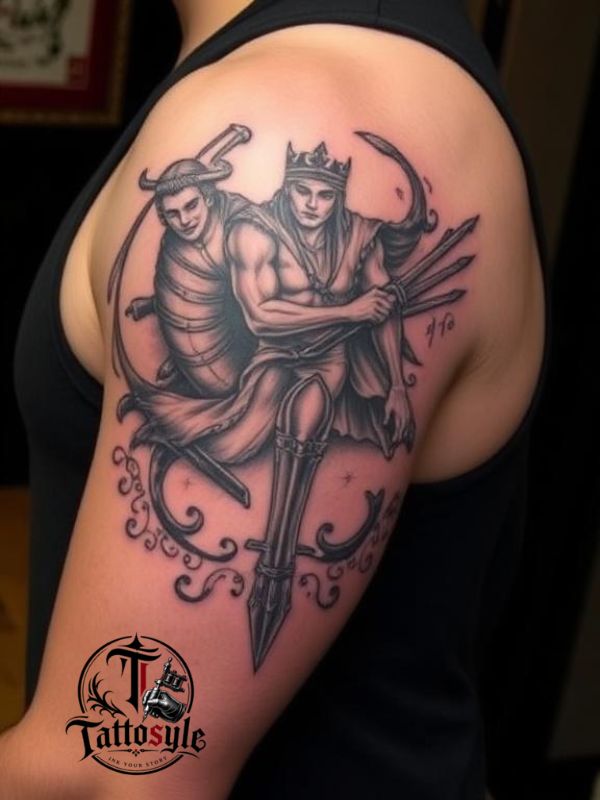
The arm remains the single most popular canvas for men, and for good reason. It offers space for everything from a tiny wrist symbol to a full sleeve, and it can be shown off or covered with a sleeve depending on the setting. Forearm ideas include compass designs, clock faces representing a specific moment in time, script quotes, tribal bands, and nature scenes like mountains or waves.
Upper arm and bicep placements suit bolder, larger designs such as lions, eagles, dragons, or mythological figures. The bicep curves naturally with muscle, which makes it ideal for animal and portrait tattoos that benefit from that contour. Full sleeves combine multiple smaller designs into one continuous story, usually built up over several sessions rather than completed in one sitting.
| Arm Placement | Best For | Pain Level |
| Wrist | Small symbols, initials | Moderate to high |
| Inner forearm | Quotes, compasses, dates | Low to moderate |
| Outer forearm | Bold linework, animals | Low |
| Bicep | Portraits, mythological figures | Low |
| Full sleeve | Layered storytelling designs | Varies by section |
Traditional & Classic Styles: Timeless Power Moves
Traditional tattoos have survived nearly a century of changing trends for a simple reason. Bold black outlines, limited but saturated colors, and simple recognizable imagery age better than almost any other style. Anchors, eagles, daggers, roses, and pin up figures remain staples of this category.
This style was built for longevity from the start. The thick lines that define traditional tattoos were designed to stay legible even decades after the ink was applied, which is exactly why sailors and soldiers trusted this style long before it became mainstream fashion.
Why Legends Never Fade: Old School & Japanese Masterpieces
Old school American traditional and Japanese Irezumi share a similar philosophy even though they come from different cultures. Both use bold lines and strong composition to tell a complete story rather than showing an isolated image. A Japanese sleeve featuring a koi fish swimming upstream represents perseverance, while a dragon coiling across the shoulder represents wisdom and protective strength.
These styles require a skilled, often specialized artist, and they typically take multiple sessions to complete properly. The investment pays off in longevity. Well executed traditional and Japanese pieces are some of the tattoos least likely to need touch ups decades later.
Modern Innovations: When Art Meets Identity
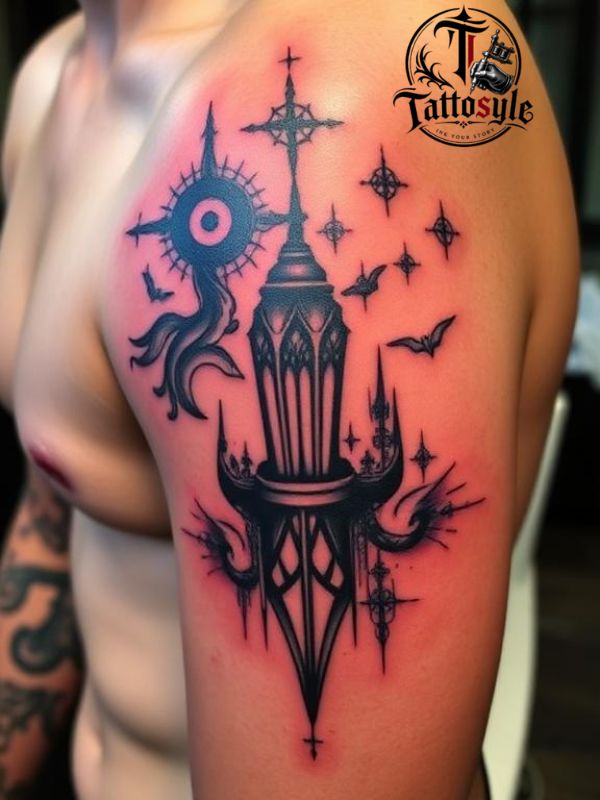
Tattooing has expanded far beyond traditional bold linework in the last decade. Modern techniques now allow for photorealistic detail, precise geometric patterns, and ultra minimal single line designs that were nearly impossible to execute cleanly a generation ago.
This shift reflects a broader change in what men want from a tattoo. Instead of a single symbol, many now want a design that feels closer to wearable fine art, personal and unique rather than pulled directly from a flash sheet.
Realism, Geometry & Minimalism
Realism tattoos aim to replicate a photograph directly on skin, whether that is a portrait of a family member, a detailed animal, or an object with sentimental value. This style demands serious technical skill and typically costs more due to the time and precision required.
Geometric tattoos use precise shapes, sacred geometry patterns, or mandala style structures to create a sense of order and balance. Minimalist tattoos strip a concept down to its simplest form, such as a single line mountain silhouette or a small constellation of dots. Both styles age well because they rely on clean execution rather than heavy shading that can blur over time.
Themed Designs: What Your Tattoo Says About You
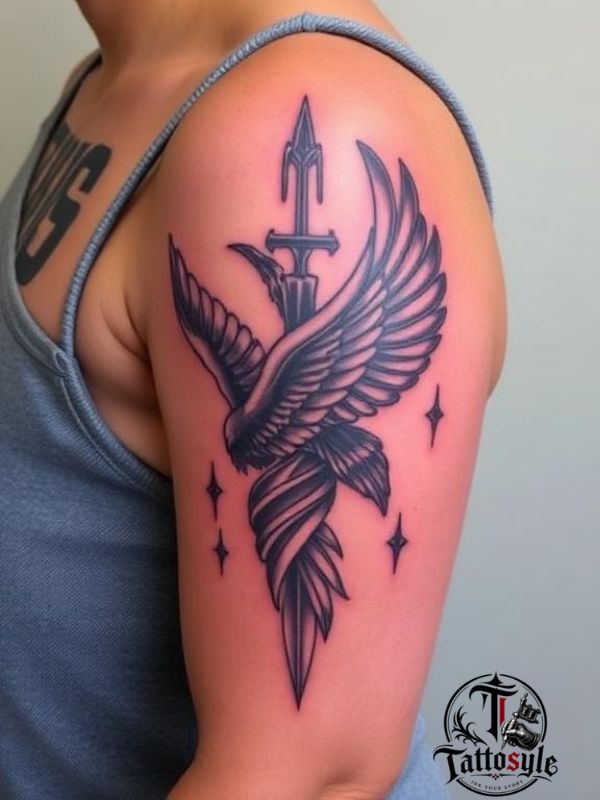
Beyond style, the subject matter of a tattoo often matters more to the wearer than the artistic technique used. Choosing a theme that reflects your values, beliefs, or life experience gives the tattoo staying power that trend driven designs rarely have.
The Animal Kingdom: Instinct and Strength
Animal tattoos remain some of the most requested designs for men because they carry instantly recognizable symbolism. Lions represent leadership and courage. Wolves symbolize loyalty and the strength of a pack or family unit. Eagles stand for freedom and vision, which is why they are popular among veterans. Bears and tigers represent raw power paired with control.
These designs work well in nearly any style, from a detailed realistic lion on the chest to a simple line art wolf on the forearm, which makes them one of the most flexible themed categories available.
Spiritual & Symbolic: Depth Beneath the Skin
Spiritual tattoos cover a wide range of belief systems and personal philosophies. Crosses, praying hands, and scripture references remain common for men of faith. Mandalas, lotus flowers, and the third eye appeal to those drawn to mindfulness and balance. Norse symbols like Valknut and Mjolnir attract men connected to Viking heritage or mythology.
The strength of spiritual tattoos lies in their personal specificity. A generic cross means far less than one paired with a date, verse, or detail that ties directly to your own story.
Pure Nature: Mountains & Waves
Nature inspired tattoos work well for men who see resilience, growth, or freedom in the natural world. Mountain range silhouettes often represent obstacles overcome or personal challenges conquered. Wave designs, whether bold Japanese style or minimalist line art, frequently symbolize change, adaptability, or a connection to the ocean.
These designs translate well across nearly every scale, from a small forearm outline to a full back piece, which makes nature one of the most versatile themes for men planning their first or fifth tattoo.
Portraits & Lettering
Portrait tattoos honor a specific person, most often a parent, child, partner, or someone who has passed away. Because a poorly executed portrait is immediately obvious, this category demands finding an artist whose portfolio proves genuine skill with proportion and facial detail before booking.
Lettering tattoos work when the words genuinely mean something long term. A short mantra, a set of coordinates marking a defining moment, or a phrase in a language connected to your heritage all tend to hold up better than a trendy quote pulled from social media.
Body & Placement Guide: Finding Your Perfect Spot
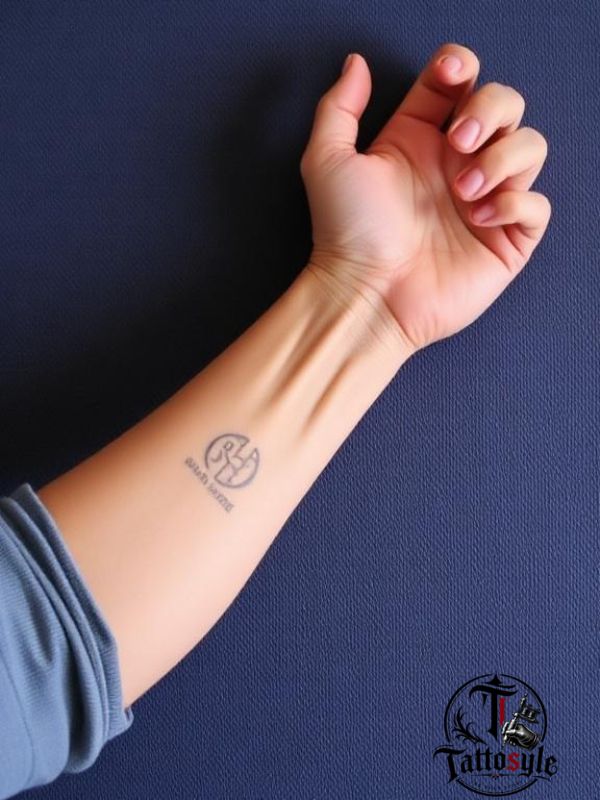
Placement affects more than visibility. It changes how much detail a design can hold, how painful the session will be, and how the tattoo ages as your body changes over the years.
The Big Canvases: Chest, Back & Sleeves
Chest and back placements offer the most space for detailed, large scale work. These areas are also more private, since they can be fully covered by clothing, which appeals to men in more conservative work environments. A chest piece often centers around a strong focal image, while back pieces can span the entire canvas for elaborate scenes like a Japanese back suit.
Full sleeves combine multiple design elements into one cohesive story running from shoulder to wrist. They typically require multiple sessions over several months and represent a significant time and financial commitment, but they remain one of the most striking ways to showcase detailed artwork.
Forearm & Wrist Placements
The forearm continues to be one of the most requested placements for men. It offers a strong mix of visibility, manageable pain, and enough surface area for genuine detail without requiring a huge time commitment. It is also easy to cover with a long sleeve shirt when needed for work.
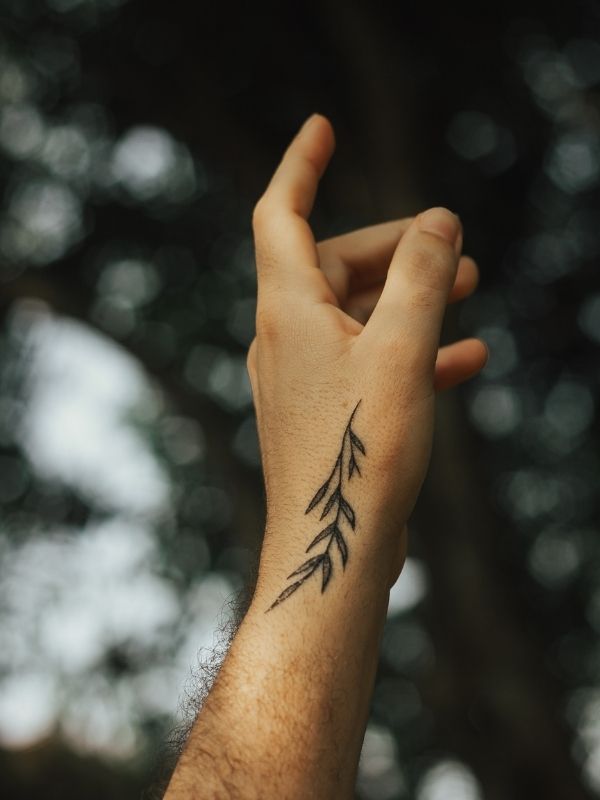
The wrist suits smaller, simpler designs due to its limited flat surface and thinner skin. Pain tends to be higher here than on the outer forearm, and fading can happen faster, so simple bold designs generally outperform highly detailed ones in this spot.
Lifestyle & Planning: Your Path to the Perfect Tattoo
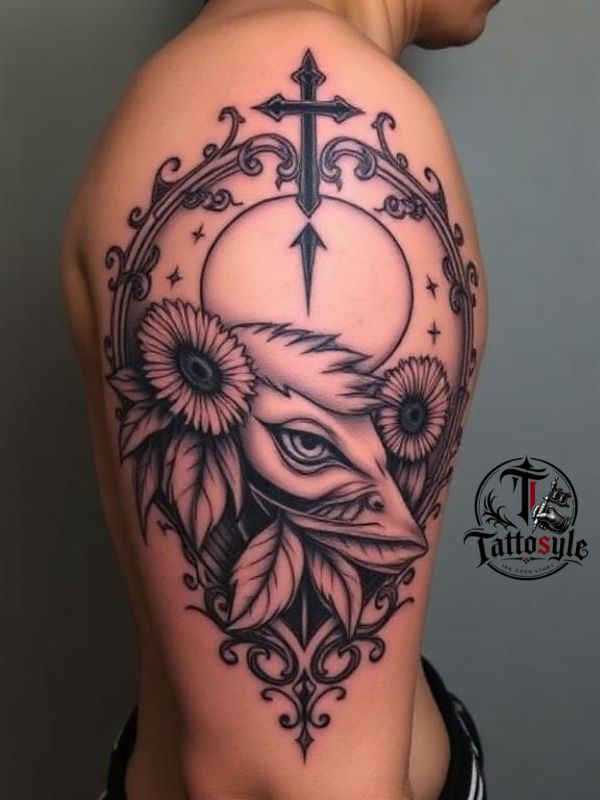
A tattoo is a long term decision, so it deserves planning that goes beyond just picking a cool image. Career, age, and aftercare all play a role in how satisfied you will be with the final result years down the line.
Job & Career Considerations
Visible tattoos on the hands, neck, and face still carry restrictions in many corporate, legal, medical, and client facing roles, even as attitudes toward tattoos have relaxed significantly. Before booking a highly visible placement, consider your current field and any career path you might pursue in the next decade.
Placements like the upper arm, chest, back, and thigh offer a practical middle ground. They allow for personal expression while remaining easy to conceal with standard work clothing when necessary.
Age & How Tattoos Evolve With You
Skin changes with age, and tattoos change along with it. Areas with more movement and less fat, like the hands and feet, tend to fade and blur faster than stable areas like the upper arm or back. Bold, simple designs generally hold their shape better over decades than intricate fine line work.
If you are getting your first tattoo later in life, keep in mind that skin elasticity affects how a design will look in twenty years. A slightly bolder line weight than you initially want often ages better than an ultra fine, delicate design.
Aftercare & Longevity
The first two to three weeks after getting tattooed determine how sharp the final result will look for the rest of its life. Keep the area clean, moisturized with a fragrance free lotion, and protected from direct sun exposure. Avoid soaking the tattoo in pools, baths, or the ocean until it is fully healed.
Long term, consistent sunscreen use is the single biggest factor in keeping colors vibrant and lines crisp. UV exposure breaks down ink pigment faster than almost anything else, so a tattoo that is protected from the sun will simply outlast one that is not.
FAQs
What are the top 5 tattoos for men?
The most consistently popular choices are lions, wolves, compasses, traditional anchors, and Japanese dragons. Each carries strong, easily recognized symbolism tied to strength, loyalty, or direction.
Which tattoo is considered lucky for males?
Numbers like 777 and symbols like the four leaf clover, koi fish, and horseshoe are commonly chosen for luck. Their meaning often depends on the wearer’s personal or cultural background.
What is the best first tattoo for a man?
A small, simple design in a low pain, easily concealed area like the forearm or upper arm is generally the safest first choice. It allows you to test your tolerance and commitment before planning something larger.
What is the most common tattoo for a man?
Forearm placements featuring compasses, clocks, script quotes, or tribal patterns remain the most commonly requested combination of style and location among men.
Where is the least painful place for a man to get a tattoo?
The outer forearm and outer bicep are generally the least painful areas due to more muscle and fat coverage. Areas closer to bone, like the ribs, hands, and feet, tend to hurt significantly more.
How much does a men’s tattoo typically cost?
Cost depends heavily on size, detail, and the artist’s experience level, with small simple designs costing far less than large detailed pieces. Always ask for a direct quote from your chosen studio rather than relying on general estimates.
What tattoo placement is best for hiding at work?
The upper arm, chest, back, and thigh are the easiest placements to conceal with standard professional clothing. These spots also tend to age well due to more stable skin with less daily movement.
Conclusion: Do It Right
A great tattoo is not about picking the trendiest design this month. It is about choosing something that reflects who you are now and who you plan to become, then trusting a skilled artist to bring it to life properly. Take your time with the decision, research your artist as carefully as your design, and think honestly about placement, career, and aging skin before you commit.
Do it right the first time, and your tattoo will still mean something to you thirty years from now, not just today.

Hi, I’m Tomy Parker, a tattoo enthusiast and content writer at Tattosyle.com. I love exploring tattoo styles, meanings, placement ideas, aftercare tips, and the latest trends in body art. My goal is to create easy-to-understand, helpful, and accurate guides that inspire both first-time tattoo lovers and experienced collectors. Through Tattosyle, I aim to help you make informed decisions and discover tattoo designs that reflect your unique personality and story.

Leave a Reply